How to Layer Clothes for Changing Trail Weather

Trail weather is unpredictable. Here's a layering strategy to help you stay comfortable from start to summit.
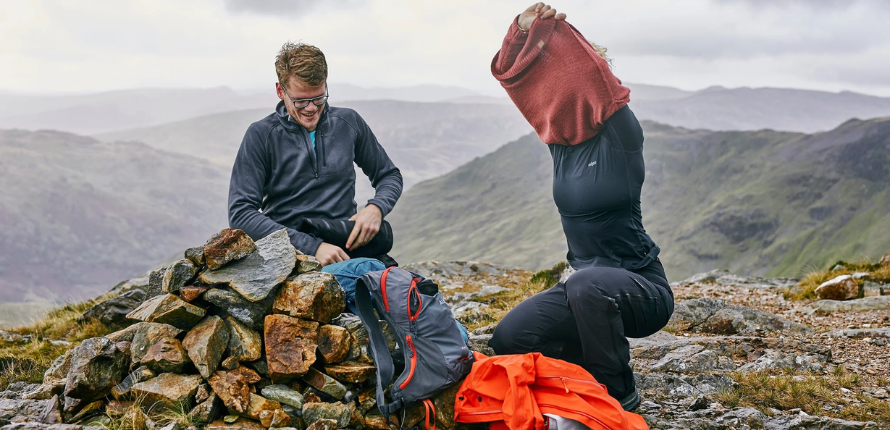
If there's one thing every experienced hiker knows, it's that the weather on the trail plays by its own rules. One moment you’re soaking in sun-drenched views, the next you’re caught in an icy drizzle or gusty wind. Whether you're gearing up for a brisk morning trek or a long climb that takes you through multiple climates, mastering the art of layered clothing is a must.
And if you’re wondering what the best clothing for hiking in warm weather is or how to adapt to sudden chills, you’re in the right place. Let’s break down quick temperature changes, and everything in between.
Why Layering Matters on the Trail

Layering is not just some trend for hikers. It's a functional strategy for hiking clothes that adapts to changing trail conditions. Instead of relying on one bulky jacket or sweating it out in just a tank top, layering gives you the freedom to manage your body temperature, sweat levels, and comfort.
Proper clothing layers can help you stay warm without overheating, dry without clamminess, and prepared for whatever Mother Nature throws your way. Think of each layer as playing a role: one wicks, one warms, one protects.
Layer 1: The Base Layer (Your Personal Thermostat)
The base layer is all about moisture management. This is the layer directly against your skin, so it needs to pull sweat away from your body. Skip cotton because it holds moisture and makes you cold when the temperature drops. Instead, opt for lightweight merino wool or synthetic materials like polyester or nylon. These dry fast, breathe well, and regulate your core temperature.
For hiking in warm weather, a thin, quick-drying tee made from wicking fabric keeps you cool and dry. For clothes for cold weather hiking, a long-sleeve merino base layer offers warmth without bulk.
Layer 2: The Insulation Layer (Stay Warm, Not Sweaty)
This is the layer that traps heat. Think of fleece pullovers, down vests, or synthetic puffy jackets. The goal? Warmth without restriction. If you’re dealing with cold weather hiking, a midweight fleece or down layer works wonders. Synthetic insulation (like PrimaLoft) is great in damp conditions because it retains heat even when wet.
When layering for hikes that start cold and heat up quickly, choose an insulation layer you can shed and stash fast. A lightweight insulated vest over a long sleeve base layer is one of the best combinations for flexibility.
Layer 3: The Outer Layer (Your Weather Armor)
This is where your hiking gear goes full warrior mode. The outer shell protects you from wind, rain, and snow. Waterproof and windproof materials like Gore-Tex or eVent are ideal, especially if you're in unpredictable climates. For warm weather, a breathable windbreaker may be all you need. But for higher altitudes or shoulder seasons, a waterproof shell with pit zips (vents) allows airflow without losing protection.
When shopping for hiking clothes, look for outer layers with sealed seams, adjustable hoods, and zippers that make quick changes easy on the move.
Real Trail Scenarios And How to Adjust Fast

Let’s say you start your hike at 7 a.m. It’s cool and damp, so you begin with your base and insulation layers. As the sun rises and your body warms up, you shed the fleece and pack it away. Then, as clouds roll in mid-afternoon, a drizzle starts. Out comes the rain shell, keeping your core dry without overheating. That’s the magic of layered clothing: it adapts and changes with your environment, not against it.
Storage Hacks: Keeping Layers Easy to Reach
One mistake hikers make? Stuffing layers deep into a pack. Keep your insulation and shell layers in the top compartment of your backpack or tied to the outside with a compression strap. That way, you’re not digging through snacks and gear every time the weather turns.
Also, pack a lightweight stuff sack to keep wet layers away from dry ones. And if you’re into hot weather hiking clothes, toss in a cooling neck gaiter or sun hoodie that packs flat but saves you from sunburn.
Top Brands That Nail Trail-Ready Layers
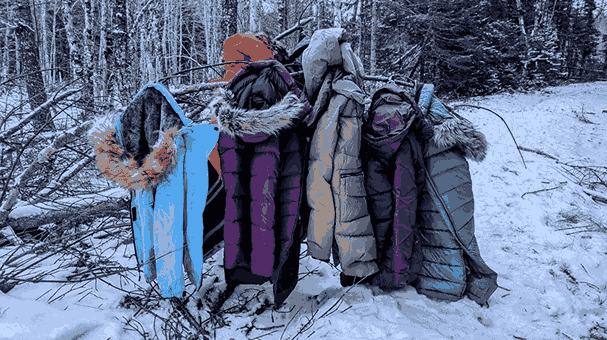
Want layers that last? These brands consistently deliver when it comes to hiking gear:
- Patagonia: Known for high-performance and sustainable materials
- Arc'teryx: Top-tier shell jackets and premium insulation
- REI Co-op: Budget-friendly layering staples that hold up well
- Smartwool: For buttery-soft merino base layers
- Outdoor Research: Fantastic for weather-ready shells and gloves
Whatever brand you choose, prioritize breathability, packability, and a comfortable fit for every layer.
Common Mistakes to Avoid
- Wearing cotton: Even on sunny days, sweat-soaked cotton can lead to chills.
- Too many layers too early: Start a bit cold. Your body will warm up quickly on the trail.
- Ignoring the wind chill: A calm day at home can feel freezing on an exposed summit.
- Skipping ventilation: No vents = sweat trap.
- Bulky layering: Instead of one thick fleece, use two thinner layers for more versatility.
Being smart about clothes for cold weather hiking means choosing layers that work together seamlessly, not ones that bulk you up and slow you down.
The weather may be unpredictable, but your hiking clothes don’t have to be. With the right layering strategy, you can handle blazing sun, chilly winds, or sudden downpours without breaking stride. Whether you're tackling the Rockies or your favorite weekend trail, these tips will help you stay dry, warm, and prepared. Because the best layered clothing doesn’t just protect you, it gives you confidence to enjoy every step, regardless of what the sky throws your way.
For more smart, stylish, and practical tips on outdoor wear and sports, follow VestureDebate.
Recent Blogs
-

6AM Run Supplements Review: Is It Worth Buying?
Early morning runs require clean energy and reliable recovery. Our detailed 6AM Run review analyzes top-rated pre-workouts, amino blends, and joint formulas to see if they can help you build stamina without digestive distress.
-

Fenty Beauty Pro Filt'r Soft Matte Longwear Foundation Review
A foundation can look flawless in the first few minutes, but keeping that smooth finish throughout the day is a different challenge. The Fenty Beauty Pro Filt'r Soft Matte Longwear Foundation is designed to provide buildable coverage with a soft matte finish while helping makeup stay fresh for longer. This review looks at its coverage, finish, wear, and overall feel to help you decide if it fits your makeup routine.
-
Best Flame King Propane Products for Outdoor Use
Discover the best Flame King propane products for camping, RVs, outdoor cooking, heating, and more. Compare tanks, refillable cylinders, accessories, and fire pits.
-

Ifrrk Chastity Cage Review: Is It Worth Buying?
Finding a chastity device that combines absolute security with long-term wearability can be tricky. Our Ifrrk review breaks down top-rated resin, metal, and flat inverted devices to help you select the ideal fit for your lifestyle.
-

Best Home Strength Training Equipment by Life Fitness
Building a workout space at home means sacrificing an entire room or spending a huge fortune. Life Fitness solves this trade-off with their premium line of home strength training equipment. We are breaking down their best models for a full-body workout.