What to Do If Your Passport Gets Lost or Stolen Abroad

Panic mode? Here’s exactly what to do when your passport disappears abroad.

There are few moments scarier than checking your bag or pocket and realizing your passport is gone. That sinking feeling? It’s real. Whether you left it in a hotel safe, someone pickpocketed it, or it simply vanished somewhere between sightseeing and airport security, a lost passport abroad is enough to put you in full-blown panic mode.
But here’s the thing, this happens more often than you’d think. And while it’s undoubtedly stressful, it’s not the end of the world or your trip. In fact, what matters most isn’t that your passport is missing. It’s how quickly and calmly you respond to it.
Here’s exactly what to do when your passport disappears while you’re traveling, how to get emergency documents, and the steps that will actually get you back home without chaos.
The Panic of Losing Your Passport Mid-Trip

Let’s not sugarcoat it, losing your passport feels like being stranded. It’s your one official proof of identity in a foreign country. Without it, you can’t board a flight, check into some hotels, or even enter certain buildings if ID is required.
For some travelers, especially those on tight schedules or in unfamiliar cities, that fear quickly turns into paralysis. But here’s the thing: the longer you wait, the more complicated it can get. This isn’t the moment to go down a rabbit hole of passport prices or panic about embassy bureaucracy. It’s time to act.
Because as scary as it feels, there’s a system in place for this exact situation. People lose their passports abroad every single day and embassies know exactly how to handle it.
Immediate Steps to Take When Your Passport Is Lost
The first few hours after realizing your passport is missing are crucial. If you suspect it’s been stolen, your priority is to protect your identity and make sure it can’t be misused. That starts with filing a report.
Head to the nearest police station and report the loss or theft. You don’t need to find the thief or retrace every step, you just need a formal report. This documentation is vital because it proves your passport was lost or stolen, not sold or thrown away.
Once you’ve got that sorted, contact your country’s embassy or consulate immediately. Don’t wait until the weekend is over or the holiday rush dies down. Most consulates offer emergency assistance, and they’ll tell you exactly what they need to issue a temporary document.
The embassy will likely ask you to fill out a lost or stolen passport form, submit passport photos, and present proof of citizenship. If you don’t have any ID on you, things might take a little longer but it’s still fixable. You’re not stuck forever, even if you’re in a remote part of the world.
Finding the Nearest Embassy or Consulate Fast
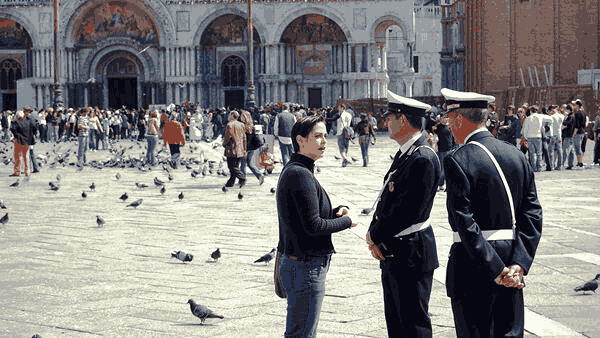
If you’re in a capital city, you’re probably within reach of an embassy. But if you’re not, finding one becomes the next challenge. Most governments have websites that allow you to search for the nearest embassy or consulate, even by region.
And if you don’t have internet access, ask your hotel staff to help you or head to a tourist information center. They usually have emergency numbers for embassies or foreign mission offices.
When you reach the embassy, they’ll verify your identity and begin the process of issuing an emergency travel document. This isn’t a full replacement passport—it’s a temporary one that lets you get home. Depending on your country and the situation, it might be valid only for one-way travel or for a very short period.
The waiting time can vary. Some embassies can issue same-day documents, while others might take a few business days. If you had a return flight booked, you might need to delay it but airlines usually accommodate rebooking if you explain the situation and provide embassy documentation.
Emergency Travel Documents and How to Get One
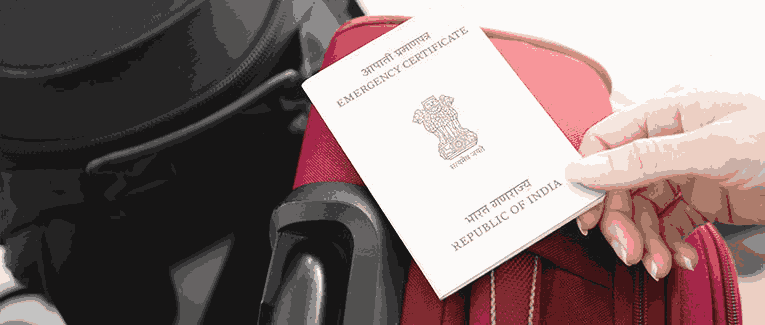
So what exactly is an emergency travel document, and how do you get one if you’ve lost your passport abroad?
It’s essentially a temporary passport issued under urgent conditions. It proves your identity and lets you re-enter your home country. To get it, you’ll usually need:
- A police report documenting the loss or theft
- A recent passport photo
- A filled-out replacement application form
- Proof of citizenship (like a digital copy of your passport, birth certificate, or government-issued ID)
Some embassies also charge a small fee, which is usually much lower than passport prices for a full renewal. If you’re in a tight spot and don’t have your wallet, some will allow payment through online portals or bank transfers from home.
Once you have your temporary document, treat it with the same level of care as a real passport. You won’t be able to travel onward to other countries with it, it’s typically only valid for a direct trip home.
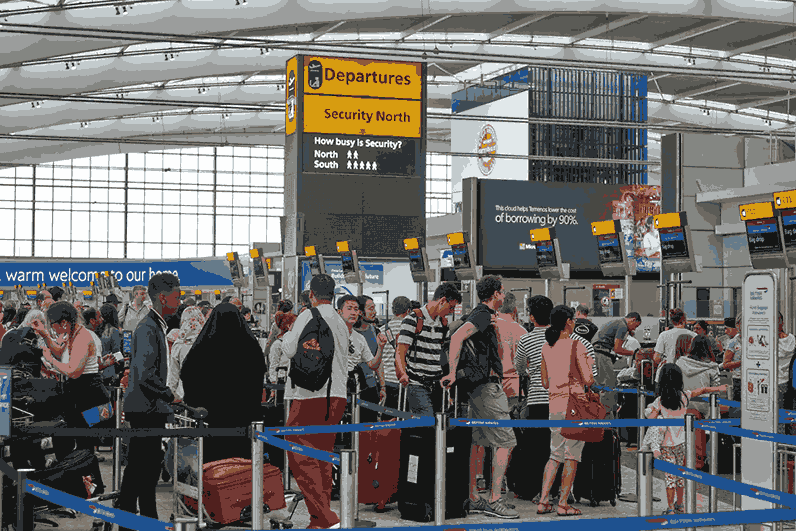
One of the biggest fears after a lost passport is whether you’ll face trouble with immigration when leaving or entering a country. Here’s the good news: with an emergency travel document from your embassy and the proper paperwork from the local police, you’ll usually clear customs without issue.
Still, don’t assume it’ll be smooth sailing. Expect extra questioning, especially if your original passport was lost in a high-risk area. Some countries may flag you for additional screening to confirm your identity.
Also, don’t forget to check entry and exit stamp requirements. If the country you’re in has strict border control laws, ask the embassy if you need additional permits or exit clearances.
And if you had a visa stamped into your original passport, you’ll need a copy of that visa or a new one issued. Countries like India and China may require a new visa even for departure. Again, your embassy can help you sort this out.
How to Avoid Losing Your Passport in the First Place
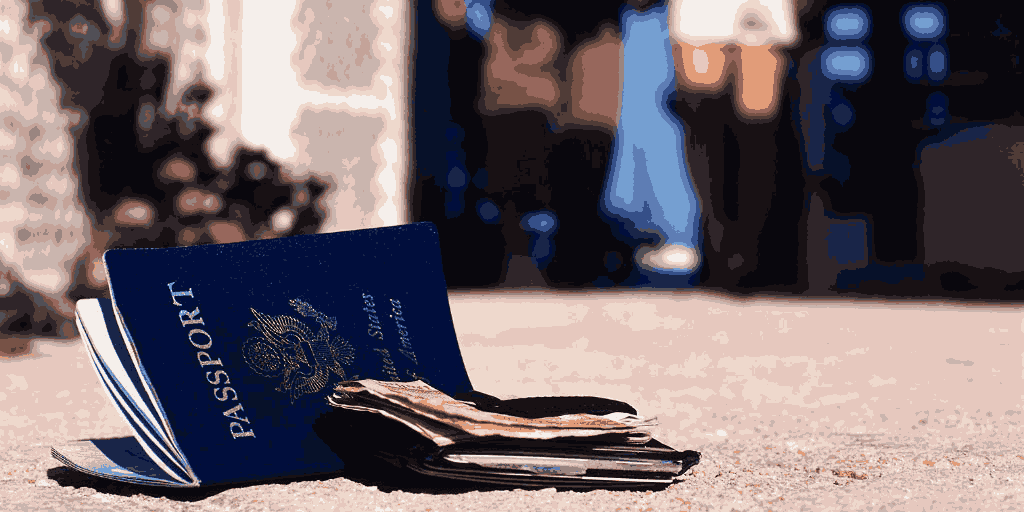
Let’s talk prevention. Because while knowing how to replace a lost passport is helpful, not losing it in the first place is even better. Start by keeping digital and physical copies of your passport. Save scans in your email, cloud storage, and even with someone back home. If your passport is ever gone, these copies make it easier to prove who you are and speed up replacement.
Consider using a travel wallet or neck pouch. They’re not the most fashionable thing on earth, but they drastically reduce your chances of losing a passport during crowded commutes or long flights. Avoid leaving it in hotel drawers, coat pockets, or random bags. Keep it in one consistent spot.
Also, use travel safety apps. Some allow you to store encrypted copies of your passport or ID and send alerts if local crime spikes or thefts are reported in the area you’re staying.
If you’re going out for the day and don’t need your passport, leave it locked in the hotel safe. Carry a photocopy instead. Most places will accept it for ID verification, especially in emergencies.
Losing your passport abroad might feel like the worst-case scenario but it’s something you can recover from if you stay calm and take the right steps. Panic slows things down. Paperwork speeds things up. So the next time you feel that flash of panic, remember this: embassies exist for this reason. Your trip might detour a little, but it doesn’t have to derail entirely.
For more real-world travel advice and smart planning tips, follow VestureDebate.
Recent Blogs
-

Zzz-Pedic Mattress Review 2024: Is This the Secret to Pain-Free Sleep?
Explore our detailed Zzz-Pedic mattress review to find out if it offers the pain-free sleep you need. Learn about pressure relief, motion isolation, and cooling features.
-
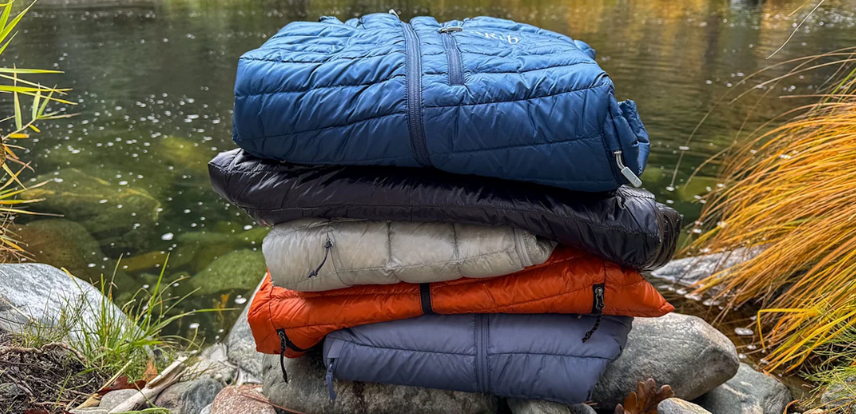
How to Wash Down Jacket at Home: All Washing Methods Explained
Many people avoid cleaning their down jackets, thinking one wrong wash will leave them flat, clumpy or less warm. However, with the right method and a little care, you can safely wash your down jacket at home.
-

Unvault Review 2024: The Ultimate Destination for Smart Tech and Gadgets?
Explore our detailed Unvault review for 2024. Discover trending tech gadgets, smart home accessories, mobile gear, and find out if this store deserves your business.
-
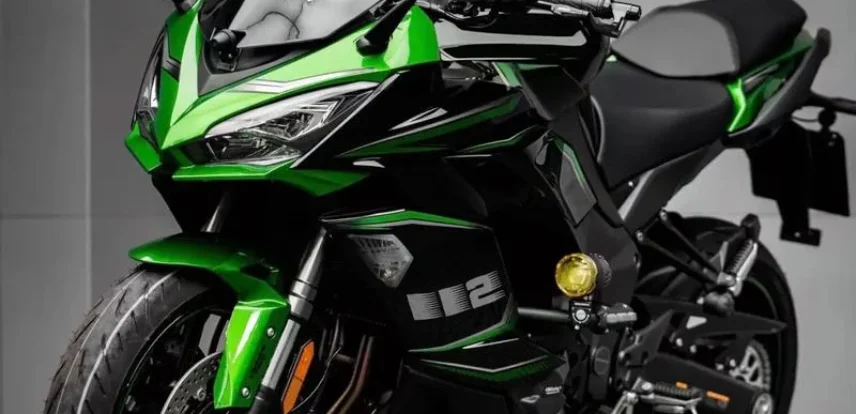
Amotopart Review: An Honest Look at Its Motorcycle Fairings, Parts, Quality & Value
Amotopart has built a broad aftermarket catalog around motorcycle fairings, replacement parts, and customization. The value is tempting. Still, buyers need to weigh pricing against fitment, finish, shipping, and real-world experiences and this Amotopart review aims to break that down.
-
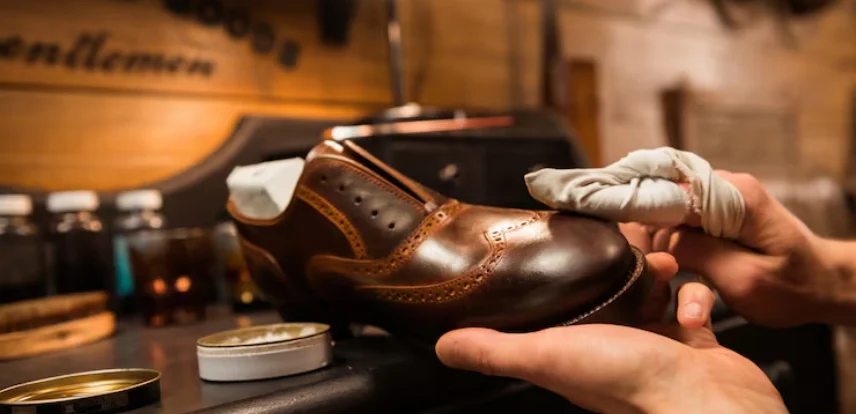
How to Clean Leather Boots with Household Items: No Expensive Products Needed
A good pair of leather boots is worth the investment, but keeping them clean doesn’t mean buying expensive cleaning kits. With the right household items, you can remove dirt, preserve the leather’s appearance, and help your boots last for years.