The Real Reason You’re Not Seeing Results from Your Home Workouts

Home workouts can be sneaky. They feel intense but sometimes don’t give you what you’re chasing. Let’s fix that.
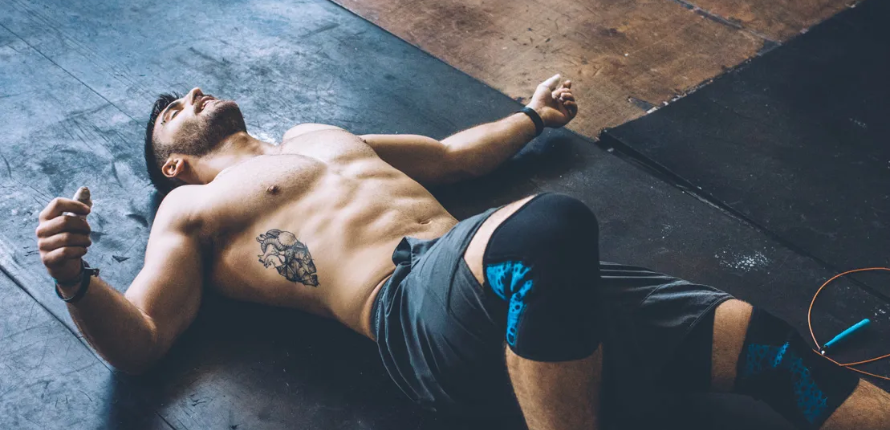
You carve out time in your day, queue up that trusted workout video, push through burpees like your life depends on it, and finish with a layer of sweat that practically glues you to the floor. Then you step on the scale or glance in the mirror and feel... nothing. Not a pound gone. Not a single new curve in sight. If you’ve found yourself whispering I workout but see no results, you’re not alone. In fact, it's more common than most people think.
This isn't a failure of effort but a case of misaligned expectations, misunderstood progress, and the sneaky habits that make home workout results feel like a myth. So if you've been wondering how long does it take to see workout results, let’s unwrap this together because you’re probably doing more right than you realize.
Common Mistakes in At-Home Routines
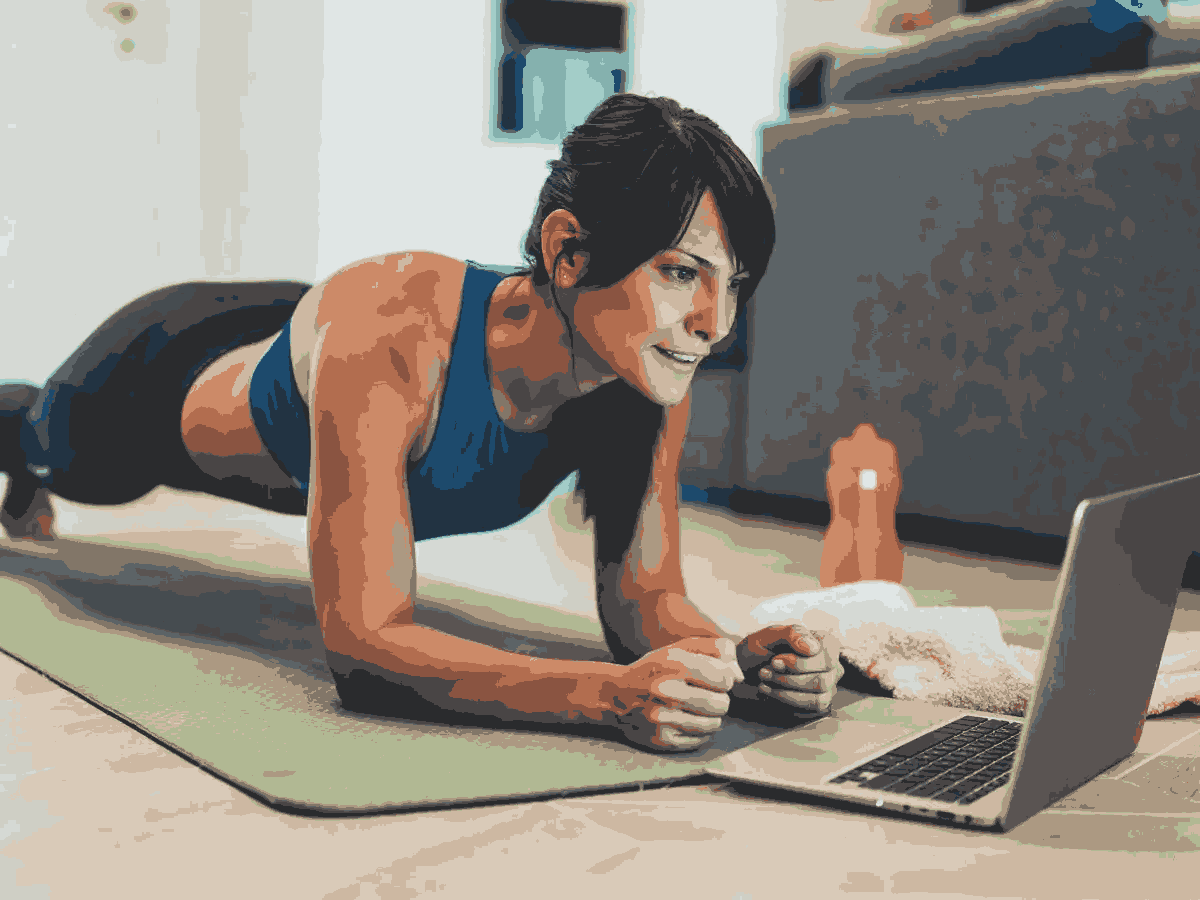
Repeating the same moves, skipping rest, chasing calories
One of the most underestimated traps of at-home workouts is doing too much of the same thing. That 30-minute total body HIIT routine? It was effective... the first six times. But your body is smart. If it already knows what’s coming, it won’t need to adapt anymore. And without new challenges, progress flatlines, what’s called plateauing in fitness.
On top of that, there’s a tendency to ignore rest days. The logic is seductive: if I want faster home workout results, I should just do more. But skipping rest is like trying to sprint with a pulled muscle, it backfires. Your body needs downtime to repair, rebuild, and respond. Without it, you’re not just exhausted, you’re inflamed, hormonally out of whack, and stuck.
And let’s not forget the calorie obsession. Many people build their routines entirely around burn numbers. But burning calories isn't the same as transforming your body. It tells you how much energy you used, not how your strength, endurance, or muscle composition is evolving. Focusing solely on the numbers on your smartwatch can pull you away from real results.
The myth of intensity without structure
Intensity sells. We’re told if we’re not dripping sweat, gasping for air, and cursing the instructor, we’re not working hard enough. But there’s a fine line between pushing your limits and spinning in circles. Without structure, without progression, periodisation, and variety, you’re just doing hard things, not necessarily effective ones.
Think of it like this: anyone can exhaust themselves. But training without direction is like driving with the gas pedal floored but no destination entered in the GPS. It looks intense, but where is it really going? And that’s when the discouragement creeps in and you start asking why do I workout and see no results even when it feels like you’re doing everything.
What Progress Really Looks Like (Beyond the Mirror)
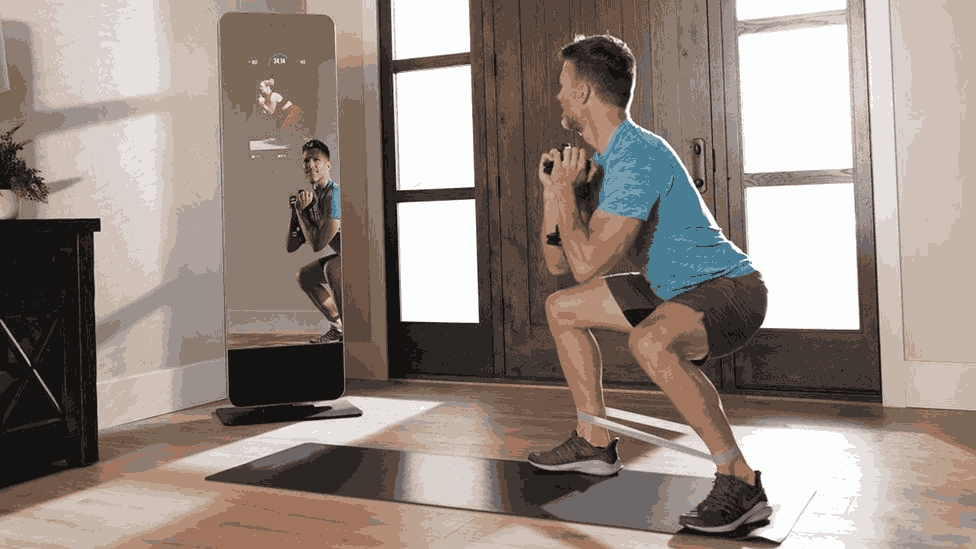
Endurance, reps, posture, and internal changes
Most of us have been conditioned to believe results should be visible. Smaller waist, toned Why metrics matarms, a tighter core. But the most powerful home workout results are often invisible, at first. Your resting heart rate might be lower. Your stamina might have doubled. Maybe you don’t collapse halfway through the warm-up anymore. Maybe your back doesn’t ache after sitting all day.
Your form gets better. You breathe more intentionally. You finish reps that once felt impossible. These are all changes. These are big changes. But we tend to overlook them in the pursuit of aesthetic shifts.
Strength, flexibility, and endurance don't always make themselves known with flashy before-and-after pics. But they are the foundation for everything you want to see in the mirror down the line.
If you keep saying I workout but see no results, it’s time to shift your focus. Results live in data, but not just in pounds lost. Think reps, recovery time, or even your mood after a session. Using tools like the best fitness tracker can help you see what your body’s doing on the inside: heart rate zones, how quickly you bounce back from exercise, and how consistent your movement has been over time.
Tracking metrics gives you something tangible. It stops you from guessing and lets you celebrate the wins you’d otherwise miss.
How to Upgrade Your Home Workouts Strategically
Periodisation, strength blocks, and cross-training
You don’t need a gym membership or a complicated spreadsheet to train like an athlete. All you need is a plan. Periodisation, aka structuring your training into phases, helps your body adapt, grow, and rest in a way that boosts results. That could look like three weeks of strength-focused workouts, followed by a week of lighter mobility training, then switching to endurance work for a while.
Strength blocks are just what they sound like: periods of time where you focus specifically on building muscle. It could be progressive resistance with dumbbells, resistance bands, or even bodyweight moves with added time under tension. You train with intention, not just intensity.
And cross-training? That’s your secret sauce. If all your workouts are HIIT, or only yoga, or purely dance cardio, your body starts tuning out. Cross-training keeps it responsive. Mixing strength, cardio, mobility, and flexibility gives your muscles fresh challenges and keeps your brain from getting bored.
Accountability and tools that help you level up
No shade to your living room, but it’s not always the most inspiring place to train. That’s why accountability matters more at home than it does at the gym. You need systems that keep you moving when no one’s watching. That might be a virtual check-in with a friend, a class subscription, or even something as simple as writing your workouts in your calendar.
And if motivation’s really tanking? Lean into tech. The best fitness tracker doesn’t just log steps, it gives you streaks, heart rate data, and recovery scores. That data might be the nudge you need to realise that yes, even when it feels like nothing’s happening, your body is changing.
It’s also worth checking in with how you feel. The mental lift from movement is often immediate. More energy. Less anxiety. Better sleep. These are the wins that build the lifestyle habits to keep going, even when progress feels slow.
So let’s go back to the big question: How long will it take to get in shape? The frustrating answer is, it depends. But the hopeful one is, you might already be closer than you think. Progress isn’t a moment. It’s a collection of micro-shifts. Every stronger rep. Every faster recovery. Every time you showed up when it would’ve been easier not to.
You deserve to feel proud of your effort even when the mirror isn’t clapping back yet. You deserve to trust the process even if the scale is moody. You’re not doing it wrong. You’re just doing it in real life, where bodies respond in their own beautiful, sometimes stubborn, timing.
So keep showing up. Keep adjusting. Keep noticing what’s working beneath the surface. Because the results are coming.
Follow Vesturedebate for more fitness tips and tricks.
Recent Blogs
-
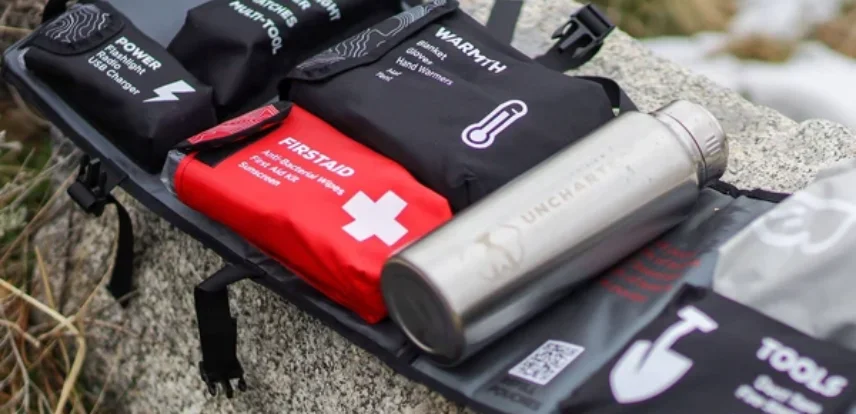
Uncharted Supply Co. 72 Hour Survival Kit Review
Three days of emergency gear sounds simple until every item has to justify its weight and purpose. Here is what matters and how the SEVENTY2 approaches it.
-
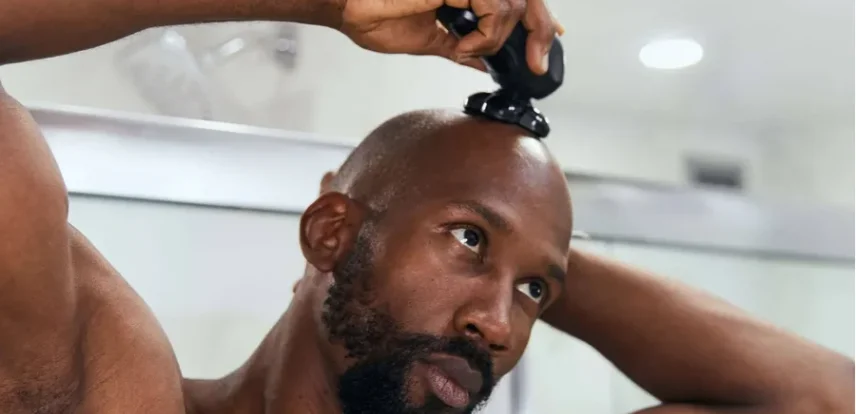
Groomie BaldiePro Review: Is This Electric Head Shaver Worth It?
Groomie promises faster grooming and fresh blades on schedule. Here is what deserves a closer look before you subscribe.
-

Everything You Need to Know About Care.com Summer Nanny Jobs
Finding a summer nanny job can be a great way to earn while working with children on a schedule that fits your plans. Care.com connects caregivers with families looking for summer childcare, with opportunities that can vary by location, hours, responsibilities, and pay.
-
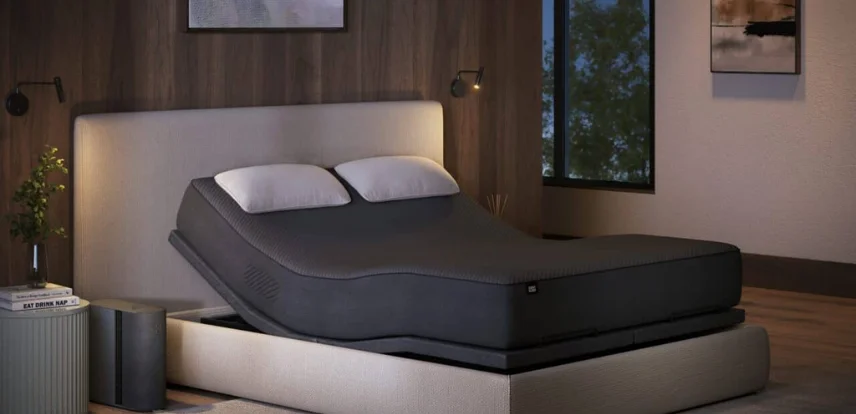
Bryte Vs Eight Sleep Reveals Two Very Different Ways To Sleep Smarter
Two advanced sleep systems take very different routes to better rest. Here is what those differences could mean once you actually get into bed.
-
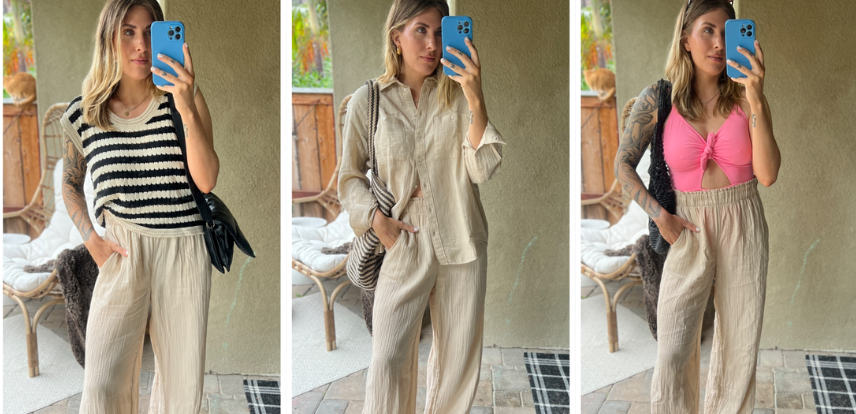
Best Gauze Pants for Women by Michael Stars
Finding the right pants can be tricky when you want both comfort and style in one pair. Some of the top gauze pants for women by michael stars offer a lightweight, breathable option that works well for relaxed days and casual outings. But with different fits, fabrics, and styles available, knowing what to look for can help you choose a pair you will actually enjoy wearing.