What Sports Coaches Wish More Parents Understood About Youth Athletics

Youth sports aren't always sunshine and trophies. Coaches see what parents miss. Here’s what they want you to know.
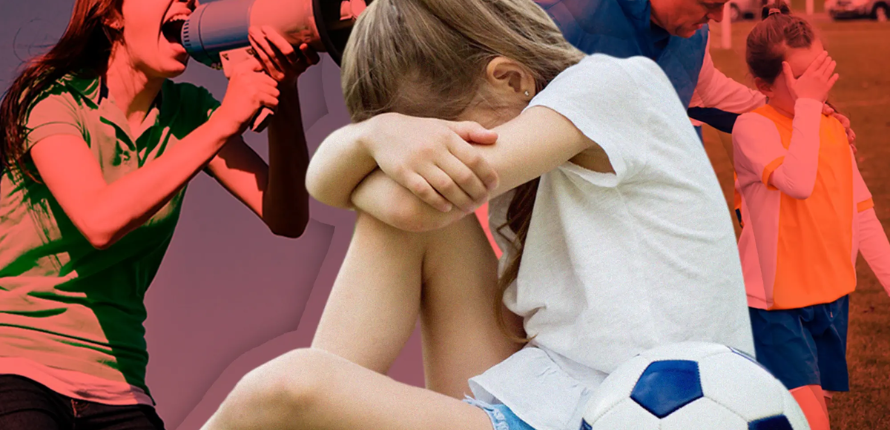
From the bleachers, it looks simple. Your kid runs. Kicks. Swings. Scores. And you cheer loud enough to make your throat sore and your phone storage overflow with blurry sideline videos. But from the coach’s view, the game is a whole different story. It’s layered with emotion, pressure, injury, and moments that don’t make it to your camera roll.
The truth is, most sports coaches aren’t just teaching technique. They’re balancing passion with protection. And when the sidelines start to buzz with parent expectations, it’s not always helpful. Coaching youth sports means working with more than just the players and for better or worse, parents can shape an entire team dynamic.
So what do coaches actually want parents to know? It’s not about blame. It’s about building something better, for the kids, and for everyone who shows up to support them.
The Pressure Parents Don’t Realise They’re Adding

Emotional expectations and silent cues
No one shows up to be a nightmare sports parent. But sometimes, that pressure sneaks in unnoticed. It hides in the tone of your voice when you ask, “Did you win?” before you say hello. It shows up when you replay their mistakes more than their highlights. Even body language speaks loudly. A furrowed brow. A sigh. A silent shake of the head when they glance your way after a missed goal.
Kids are always reading us. They hear what we say and what we don’t. And while the intention may be encouragement, the message often feels like pressure. Coaches and parents in youth sports need to be on the same team and that starts with recognising how emotional expectations can weigh heavier than intended.
Some parents expect progress at every game, forgetting that growth doesn’t follow a scoreboard. And when kids feel like they’re performing for love instead of playing for joy, something breaks inside that no medal can fix.
When cheering crosses into micromanagement
Cheering can be beautiful until it turns into sideline coaching. Yelling corrections. Shouting plays. Calling out every mistake. These moments blur the lines between support and control. For coaches trying to build trust and focus during practices, this kind of sideline noise creates confusion. It pulls attention away from the field and onto the fence line.
Coaching youth sports while dealing with parents who unintentionally step into that role becomes more about damage control than development. Kids feel torn between two voices. And when that happens, they start playing from fear instead of instinct.
Being present doesn’t mean taking over. It means creating space for your child to learn, stumble, and succeed with the coach guiding the process, and you offering steady encouragement without taking the wheel.
Burnout Is Real Before Age 15

The toll of year-round training and missed childhood starts small. A second practice per week. A new coach offering private lessons. Then a weekend tournament across the state. Before long, youth sports becomes a year-round commitment that swallows holidays, birthdays, and weekends that used to belong to childhood.
Athletic injury and parental pressure in youth sports are often more connected than we like to admit. Growth plates don’t care about club rankings. And overtraining isn’t just physical, it chips away at mental health too.
Some kids stop talking about the sport they once loved. They dread practices, hide soreness, or push through pain because rest feels like weakness. And while the goal may have been development, the result is often burnout. Silent. Exhausting. Real.
Parental impact on athlete burnout in youth sport consists of not recognising when your kid needs a break. And breaks are not failures. They’re investments in long-term potential.
Why some kids quit despite loving the sport
It’s heartbreaking for everyone. A kid who’s always played suddenly says, “I’m done.” And no one understands why. They seemed so talented. They were always on time. Always smiling after wins. But inside, something was changing. The fun faded. The pressure grew. And quitting felt like the only way to breathe again. Coaches see this unfold often. The sparkle in a child’s eyes starts dimming mid-season. They become more anxious. More injury-prone. And then they disappear from the lineup altogether.
Nightmare sports parents for coaches aren’t just loud or aggressive, they’re the ones who can’t see when their child is silently drowning. Loving a sport isn’t always enough to withstand the weight of unmet expectations. Kids need to feel like they have ownership of their play, not that it belongs to their parents’ hopes.
What Actually Helps Young Athletes Thrive
Trust, rest, and focusing on the long game
The kids who thrive? They’re not always the most talented. They’re the ones whose parents believe in the process, not just the performance. These parents prioritise consistency over perfection. They don’t expect gold every weekend. They cheer the hustle even when it ends in a loss.
Rest is seen as essential, not optional. Recovery days are encouraged. Mental health is checked in on. These athletes show up with energy because they’re not dragging the weight of unrealistic timelines. And coaches notice. They become more coachable. More resilient. More connected to the team.
Focusing on the long game means celebrating progress that’s invisible. The pass that was attempted. The strategy that didn’t quite work but showed growth. These moments matter. Because long-term success isn’t built on trophies. It’s built on a foundation of trust, space, and joy.
Coaches and parents working as allies
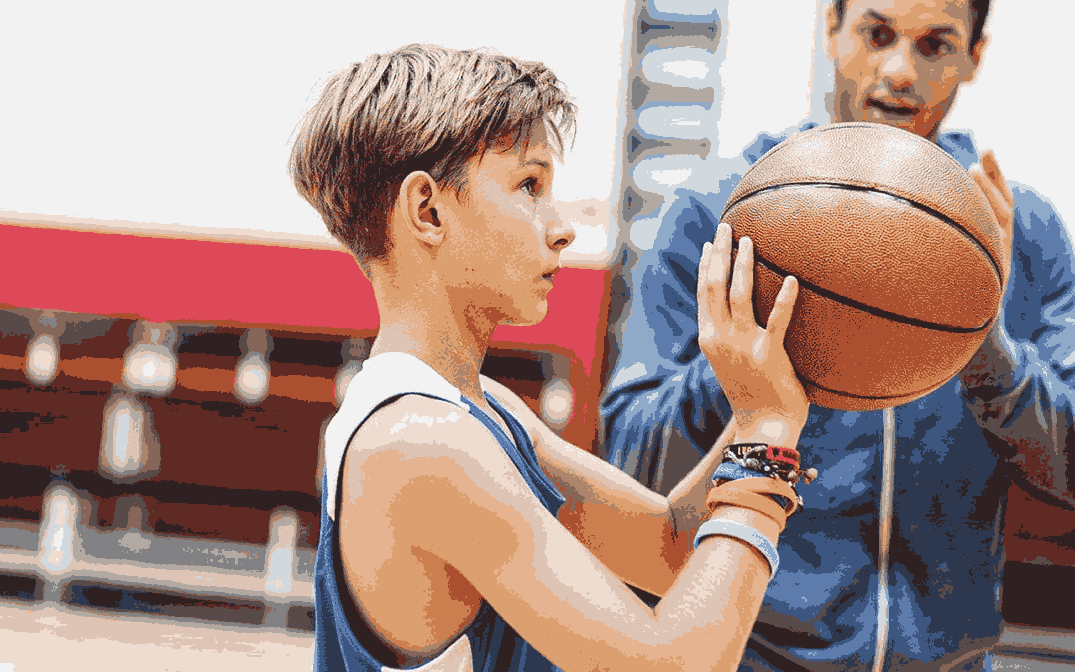
Coaching youth sports and dealing with parents doesn’t have to be a headache. When both sides respect each other’s roles, magic happens. Coaches bring structure, vision, and technical growth. Parents bring emotional grounding, logistical support, and moral reinforcement. Together, they create an environment where kids aren’t just athletes—they’re whole humans.
That means letting coaches coach. Asking questions instead of demanding changes. It means having conversations after games that start with “Did you have fun?” not “Why didn’t you shoot?”
Being an ally isn’t passive. It’s intentional. It’s showing up with perspective. It’s knowing when to push and when to pause. Coaches remember the parents who trusted them even when progress felt slow. And more importantly, kids remember how supported they felt when everyone on their team, both on and off the field, worked in harmony.
The scoreboard fades. The uniforms go back in drawers. But the impact of youth sports stays etched in who a child becomes. Confidence. Communication. Grit. These things outlast the game and they’re shaped as much by what happens on the sidelines as by what unfolds on the field. Being a sports parent is a privilege. So is being a coach. But neither role works well in isolation. The sweet spot is in the overlap, where trust replaces pressure, and joy fuels growth.
So if you’re wondering how to support your child in sports, don’t overthink the tactics. Focus on connection. On listening. On letting them lead when it matters most. Because in the end, the best wins aren’t always on the scoreboard. They’re the ones you see years later, when the lessons stick and the love for the game still lives on.
Follow VestureDebate for more sports content.
Recent Blogs
-

Zzz-Pedic Mattress Review 2024: Is This the Secret to Pain-Free Sleep?
Explore our detailed Zzz-Pedic mattress review to find out if it offers the pain-free sleep you need. Learn about pressure relief, motion isolation, and cooling features.
-

How to Wash Down Jacket at Home: All Washing Methods Explained
Many people avoid cleaning their down jackets, thinking one wrong wash will leave them flat, clumpy or less warm. However, with the right method and a little care, you can safely wash your down jacket at home.
-

Unvault Review 2024: The Ultimate Destination for Smart Tech and Gadgets?
Explore our detailed Unvault review for 2024. Discover trending tech gadgets, smart home accessories, mobile gear, and find out if this store deserves your business.
-

Amotopart Review: An Honest Look at Its Motorcycle Fairings, Parts, Quality & Value
Amotopart has built a broad aftermarket catalog around motorcycle fairings, replacement parts, and customization. The value is tempting. Still, buyers need to weigh pricing against fitment, finish, shipping, and real-world experiences and this Amotopart review aims to break that down.
-

How to Clean Leather Boots with Household Items: No Expensive Products Needed
A good pair of leather boots is worth the investment, but keeping them clean doesn’t mean buying expensive cleaning kits. With the right household items, you can remove dirt, preserve the leather’s appearance, and help your boots last for years.