How To Stay Safe on Solo Nature Walks

Love walking solo? Here's how to stay safe, aware, and prepared without compromising the peace of being alone outdoors.
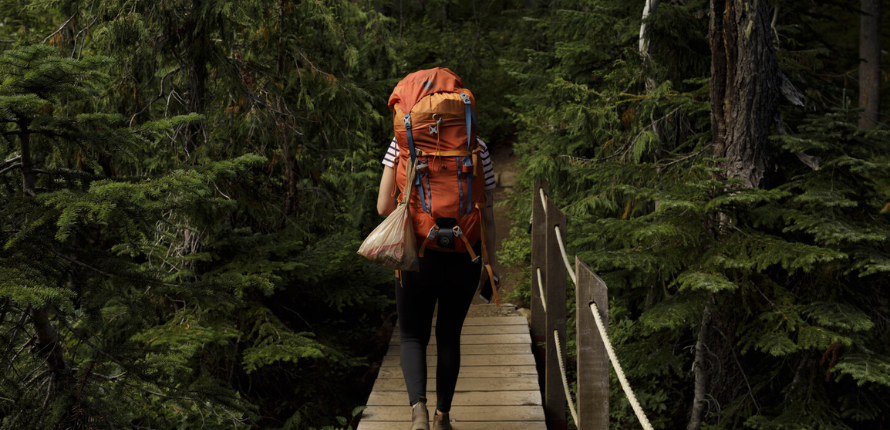
In a world that’s constantly buzzing, solo nature walks have emerged as a quiet rebellion, a way to unplug, reflect, and simply breathe. Whether you're weaving through local walking parks or discovering new places to walk off the grid, there's something grounding about putting one foot in front of the other, alone. But while solo walks offer a rich sense of freedom, they also spark a common question: is walking outside safe when you’re alone?
The answer is yes but only when you’re prepared. Like any self-care routine, solo nature walks come with risks. From minor injuries to wildlife surprises or unexpected weather shifts, the outdoors demands respect. So if you’re wondering how safe is walking outside alone or if it’s best to stick to group walks, this guide is for you. Here’s everything you need to know to stay safe, prepared, and in control.
Why Solo Nature Walks Are Worth It
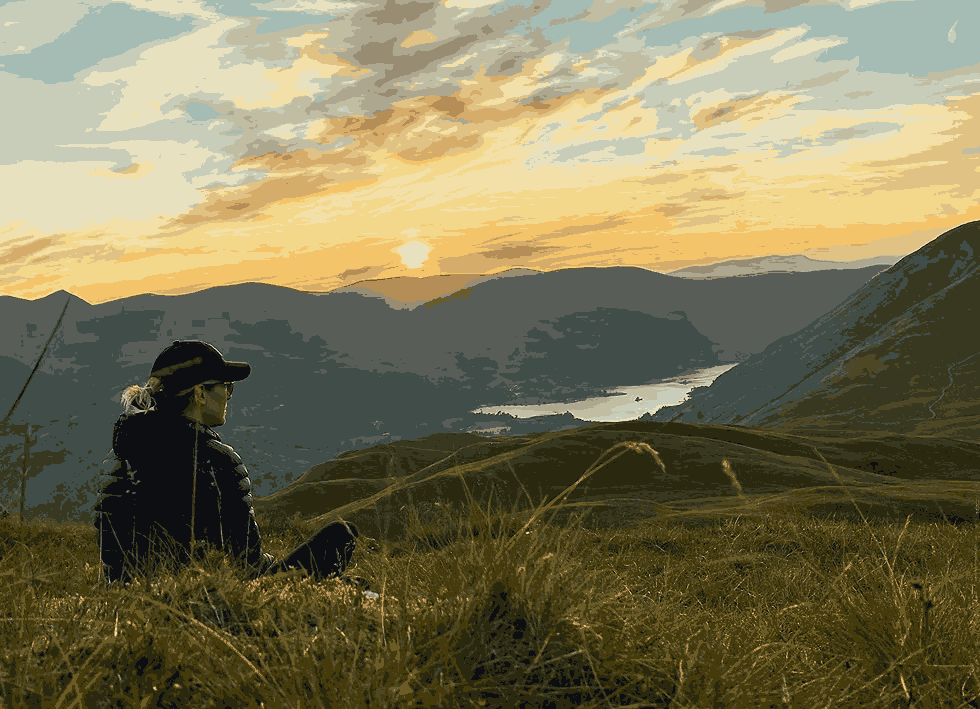
Solo nature walks are a lifeline for many. For some, they offer stress relief and mindfulness. For others, they’re a chance to work out, reflect, or simply enjoy fresh air away from screens. Unlike indoor workouts, walking outside connects you to natural rhythms, helping regulate sleep, mood, and mental clarity.
But here’s the reality, enjoying the benefits also means acknowledging the risks. You don’t have to be scared, you just have to be smart.
Prepping Your Route: The Foundation of Safe Walking
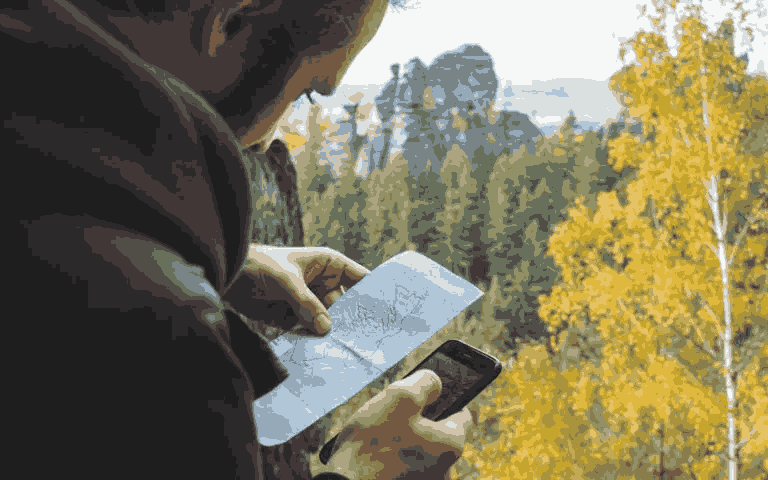
Before your shoes hit the trail, take a few minutes to plan your route. Don’t just rely on memory or vibes. Use apps like AllTrails, Gaia GPS, or even Google Maps to scout places to walk that are both scenic and safe. Look for trails with good visibility, clear markings, and moderate foot traffic.
New to solo hiking? Start with familiar walking parks in your area. As confidence grows, you can explore more remote spots. But avoid venturing into unknown territory without a plan. If you’re heading somewhere new, walk it once with a friend first or go during peak daylight hours.
Pro tip: Tell someone your route and your expected return time. Drop a pin, send a screenshot, or use a live tracking app. It might feel like overkill, but in the rare chance something goes wrong, this step could make all the difference.
What to Pack: The Non-Negotiables
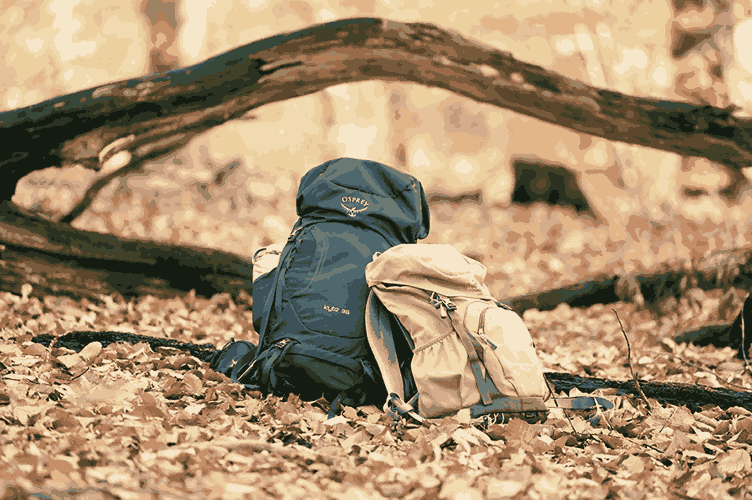
Even the best safe solo walking experiences require some prep. Here's what should always be in your walking kit:
- Phone (fully charged) with location services on
- Whistle or personal alarm for emergencies
- Flashlight or mini headlamp, especially if walking near dusk
- Water bottle and energy snack like a granola bar or trail mix
- ID and emergency contact note in your pocket
- Basic first-aid kit with bandages, antiseptic wipes, and pain relief
- Pepper spray (if legally allowed in your area)
- Layers in case of changing weather
If you're walking in low-traffic areas, consider a GPS tracker or smartwatch with real-time location sharing. Apps like Life360 and Find My iPhone are simple lifesavers.
Walking Smart: Awareness is Your Superpower
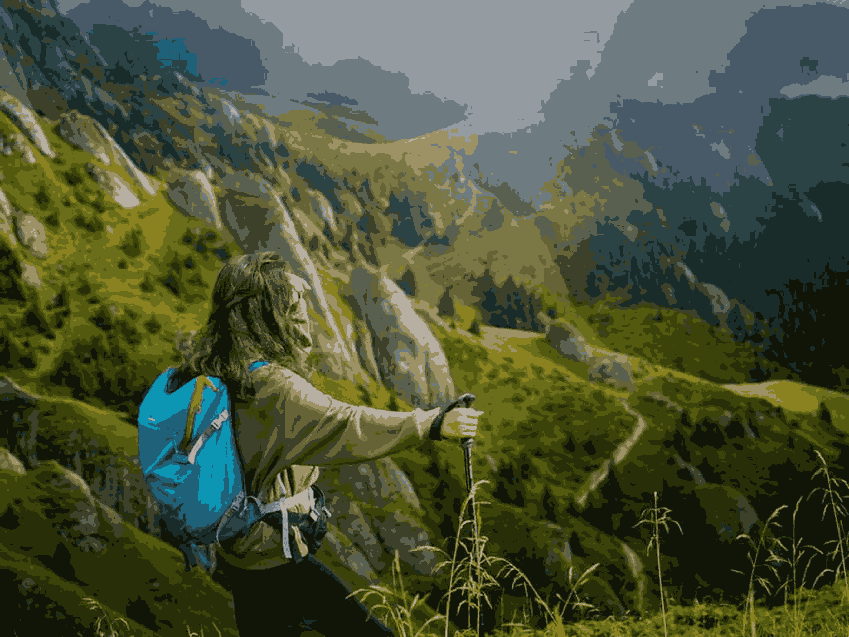
One of the biggest questions people ask online is, “Is it safe to go outside and take a walk by myself?” The truth? It depends on how aware you are. Nature might be peaceful, but staying alert is non-negotiable.
- Skip the noise-canceling earbuds. Use open-ear headphones or one earbud only.
- Keep your eyes up, not glued to your phone.
- Glance behind you occasionally, especially on quiet trails.
- Be mindful of unusual behavior, trust your gut.
If a person or animal makes you uneasy, change your direction or head toward more populated areas. Walking solo is all about walking with presence and self-trust.
Nature’s Wild Side: Understanding Wildlife Encounters
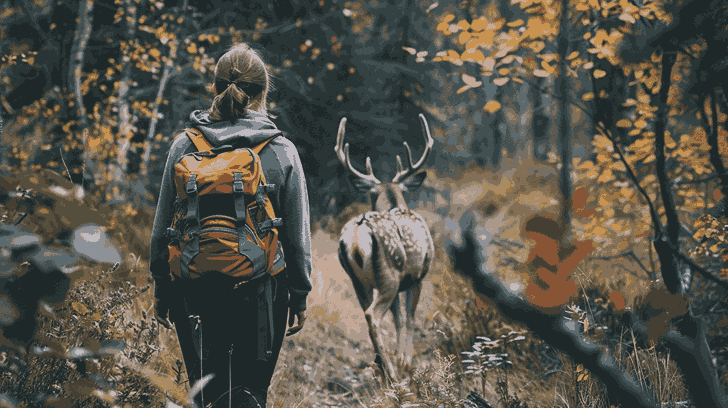
Depending on where you walk, wildlife can be part of the experience. In most areas, your biggest concern might be a curious squirrel. But in others, snakes, coyotes, or even bears might be present.
Before heading out, do a quick search on local wildlife. Know how to respond. Most animals avoid humans when they hear noise, so lightly rattling your keys or humming can help prevent surprise encounters.
If you stop for a snack or picnic, store food in sealed containers. Stay on wide, clear trails, and avoid wandering into brush or tall grass where visibility is limited.
Communication: Check-In Habits That Matter
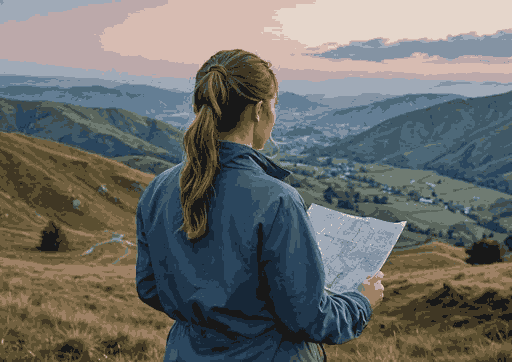
Technology is your backup system. Use it.
Before heading out, share your plan. Even if it’s just a short walk to the nearest park, tell someone:
- Where you’re going
- When you expect to return
- When you’ll check in
Apps like Life360, Glympse, or WhatsApp Live Location are game-changers. And resist the urge to post trail photos in real-time. As tempting as it is, wait until you’re safely home to share that Instagram-worthy moment.
Learn From Others: What Real Walkers Wish They Knew
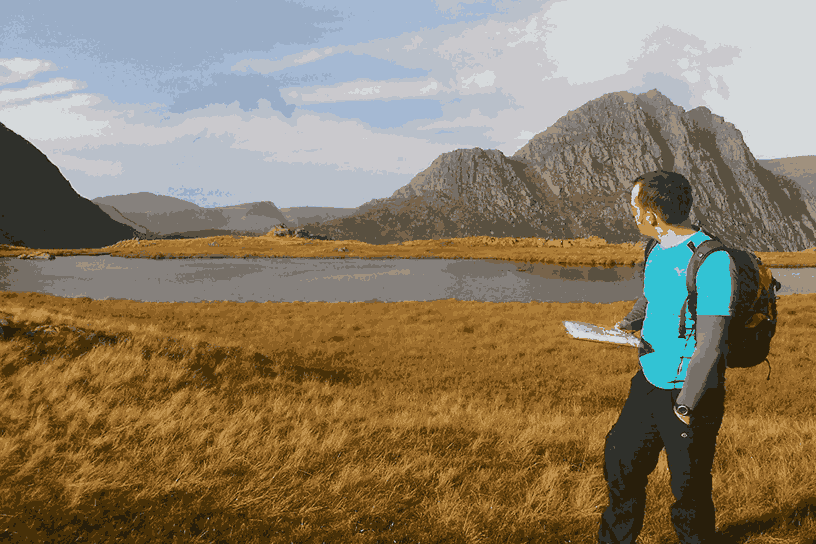
Sometimes the best safety advice comes from those who’ve learned the hard way. A solo walker in Arizona shares, “I once walked a trail I’d done dozens of times. But that day, it rained, and I slipped and twisted my ankle a mile in. I had no service. Luckily, I’d told my roommate where I was. She found me with the help of park rangers.” Stories like these remind us that even short, local walks can turn unpredictable. You don’t need to be scared, just prepared.
Best Places to Start Your Solo Walking Journey

Not sure where to begin? Start small. Look up walking parks near you—urban nature trails, botanical gardens, and even quiet neighborhoods with sidewalks can be great options.
Some of the safest and most scenic places to walk include:
- City-maintained greenways
- Local arboretums or botanical trails
- Lakefront or riverside paths with public access
- Nature preserves with rangers on-site
Search online for “[your city] best places to walk” or check community apps like Nextdoor for local tips.
Solo nature walks are powerful. They reconnect you to nature, to yourself, and to the present moment. And while “how safe is walking outside” is a valid concern, the answer lies in preparation, not fear. Stick to well-traveled trails. Keep your essentials on hand. Listen to your instincts. And most importantly, enjoy the freedom of being outdoors on your own terms.
Found this guide helpful? For more tips on outdoor living, wellness walks, and mindful escapes, follow VestureDebate.
Recent Blogs
-

Zzz-Pedic Mattress Review 2024: Is This the Secret to Pain-Free Sleep?
Explore our detailed Zzz-Pedic mattress review to find out if it offers the pain-free sleep you need. Learn about pressure relief, motion isolation, and cooling features.
-
How to Wash Down Jacket at Home: All Washing Methods Explained
Many people avoid cleaning their down jackets, thinking one wrong wash will leave them flat, clumpy or less warm. However, with the right method and a little care, you can safely wash your down jacket at home.
-

Unvault Review 2024: The Ultimate Destination for Smart Tech and Gadgets?
Explore our detailed Unvault review for 2024. Discover trending tech gadgets, smart home accessories, mobile gear, and find out if this store deserves your business.
-

Amotopart Review: An Honest Look at Its Motorcycle Fairings, Parts, Quality & Value
Amotopart has built a broad aftermarket catalog around motorcycle fairings, replacement parts, and customization. The value is tempting. Still, buyers need to weigh pricing against fitment, finish, shipping, and real-world experiences and this Amotopart review aims to break that down.
-

How to Clean Leather Boots with Household Items: No Expensive Products Needed
A good pair of leather boots is worth the investment, but keeping them clean doesn’t mean buying expensive cleaning kits. With the right household items, you can remove dirt, preserve the leather’s appearance, and help your boots last for years.