Strength Training Without the Scale

There’s power in tracking what you’re lifting, not what you weigh. Here’s how to reframe progress around performance.
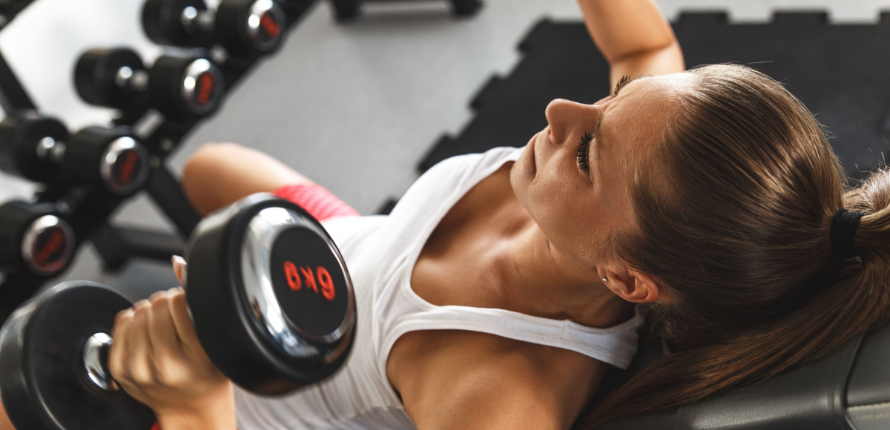
Progress doesn’t always look smaller. Sometimes, it looks like lifting more than you thought you could. Like feeling solid in a deep squat. Like walking taller, breathing steadier, and sleeping deeper. That’s the kind of strength people are chasing now, not what shows up on a bathroom scale.
In a culture still obsessed with weight loss, there’s a quiet shift happening. More people are realizing that weight doesn’t define fitness. Performance does. And strength training offers a way to measure growth that has nothing to do with shrinking.
Why Weight Has Been Overvalued in Fitness
For years, weight loss was treated as the universal fitness goal. Entire programs were built around “dropping pounds.” But the number on the scale doesn’t reflect what your body can do. It doesn’t show how much muscle you’ve gained, how your joints move, or how your metabolism works.
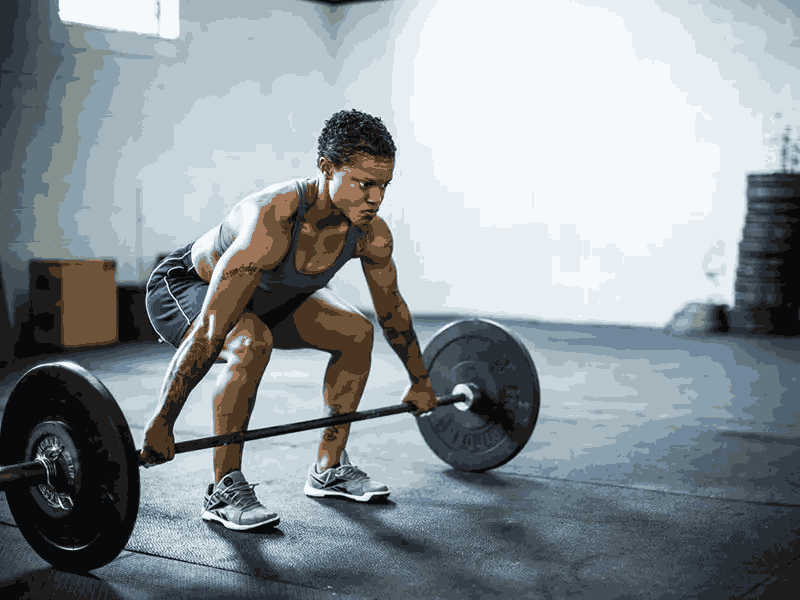
This obsession with weight has sidelined more important conversations, like how to feel strong, energetic, and capable in your body. It’s time to flip that narrative. Real fitness is not limited to what you weigh, but what you’re building.
What Is Strength Training Really About?
Strength training is resistance-based movement that challenges your muscles. That could mean lifting weights, using resistance bands, working with your body weight, or training with strength training equipment. The goal isn’t just to change your body, it’s to empower it.
People often ask, what is strength training exactly? It’s more than just gym routines. It’s the foundation of long-term health. It supports your bones, balances hormones, improves posture, and increases resting metabolic rate. It’s also a powerful mood stabilizer and stress reducer.
And it doesn’t require a gym or weights. No weight workouts like push-ups, planks, and squats still activate and strengthen major muscle groups. These moves help create tension, challenge stability, and improve functional strength you actually use in daily life.
Why the Scale Doesn’t Tell the Full Story
The scale can’t show how deep your squat has gotten. It doesn’t reflect the extra five pounds you’re now deadlifting or the push-up form you’ve finally nailed. It also doesn’t account for body recomposition, when you gain lean mass while losing fat, which often results in zero change on the scale but major physical change in your body.
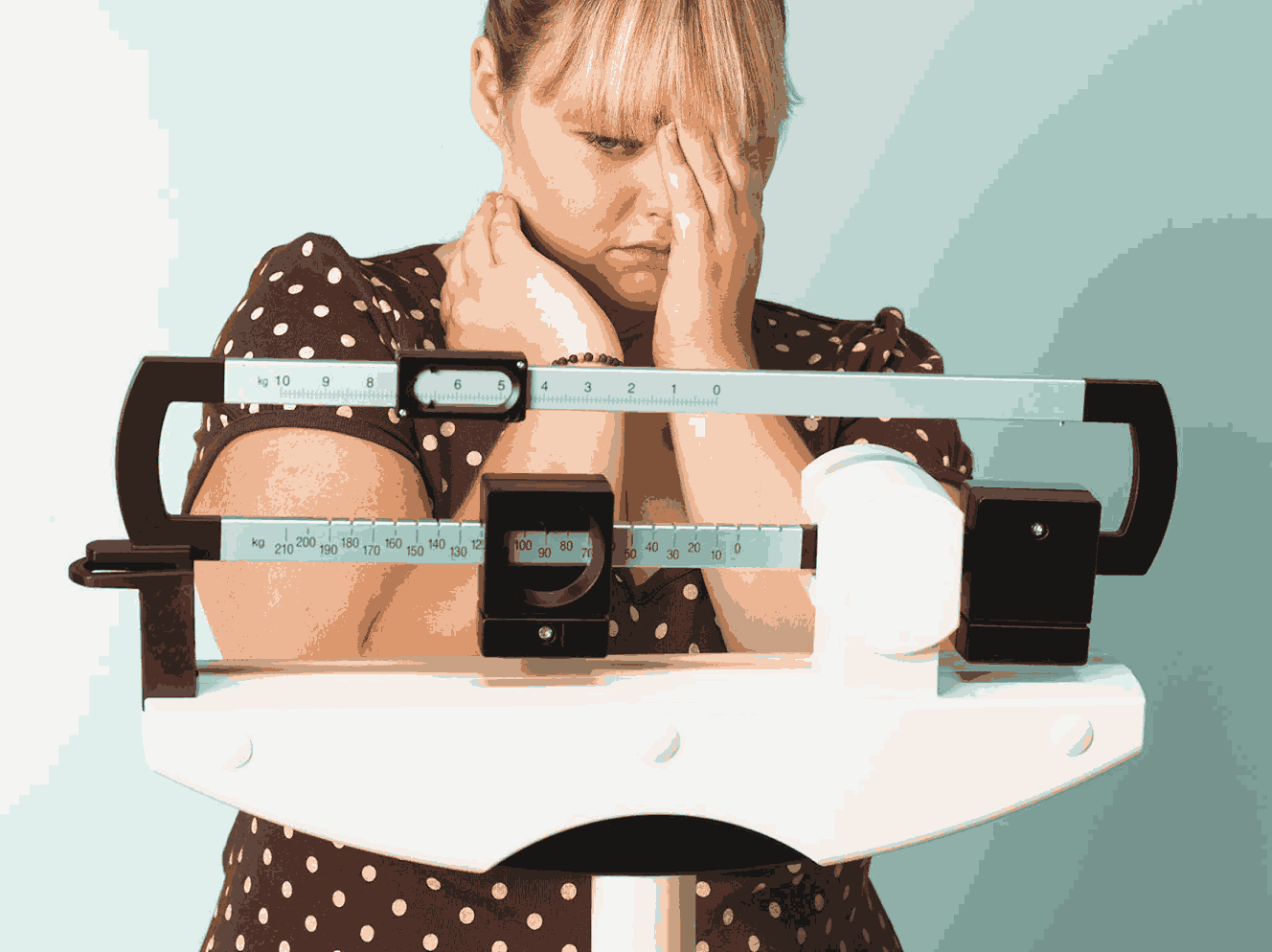
And let’s not forget fluctuations. Hormonal cycles, hydration, inflammation, and even sleep can affect the scale daily. So pinning your self-worth to that number? It's like measuring your progress with a weather app. Unreliable at best, discouraging at worst.
What to Track Instead of Weight
So what should you measure? Here are performance-driven signs of progress:
Strength Output
Can you do more reps or lift heavier than you could a month ago? Those are wins. Tracking sets, reps, and rest times gives you a real-time view of growth.
Mobility and Form
Improved technique means better joint function and less injury risk. Being able to move through exercises with control and depth is one of the most overlooked signs of success.
Recovery and Energy
If you’re recovering faster, sleeping better, or finding your workouts leave you energized, not exhausted, you’re getting stronger. This is how the body rewards consistency.
Mental Clarity and Confidence
Lifting teaches patience, discipline, and grit. That mental resilience you build from grinding through a tough set? That transfers into your life.
When You Hit a Plateau in Weight Loss
Here’s the thing: a lot of people hit a “plateau” with weight loss, even while continuing to get fitter and stronger. It’s normal. Muscle is dense. Fat loss isn’t linear. And sometimes, your body is working behind the scenes: recalibrating hormones, building muscle, and recalculating energy output.
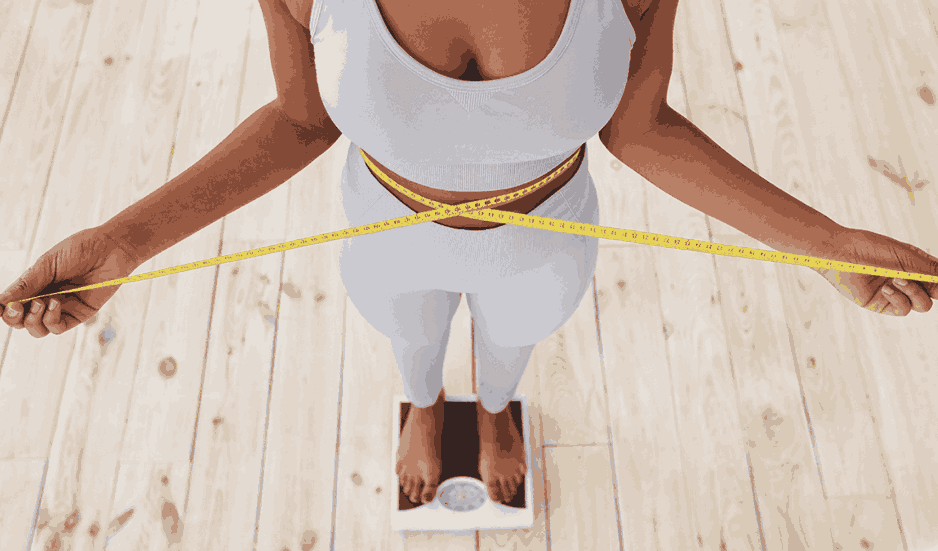
So instead of panicking about the scale stalling, ask yourself this: How do I feel? How do I move? What else is improving that a scale won’t show? Because the truth is, how to get over a plateau in weight loss might have less to do with changing your diet, and more to do with changing your perspective.
Real Stories From Strength-First Journeys
A former cardio devotee stopped stepping on the scale after starting resistance training. She began tracking PRs (personal records) instead of pounds. Within weeks, her focus shifted from “losing weight” to “lifting better.” The glow-up wasn’t just in her muscles, it was in her mindset.
Another person, recovering from a restrictive relationship with food, turned to effective strength training as a way to reconnect with her body. She ditched calorie counting, picked up kettlebells, and found freedom in movement again. These shifts don’t just happen in magazines. They’re happening in quiet garages, small-group classes, and parks all over the world. The scale isn’t the main character anymore, your strength is.
Building Strength Goals Without the Scale
Let’s build goals that aren’t tied to numbers that fluctuate wildly. Let’s chase milestones like:
- Doing your first unassisted pull-up
- Squatting with great form and no pain
- Carrying heavy groceries without a second thought
- Feeling more energy at 4 p.m. than you used to after coffee
This is how you define fitness on your own terms, not someone else’s marketing promise.
Tools That Support Performance Over Pounds
If you want to track progress, consider using tools that align with your goals:
- A training journal (old-school and super effective)
- Video feedback to monitor the form
- Strength-specific apps that log lifts and reps
- Mind-body check-ins, rate your mood, focus, and energy pre and post-workout.
When you stop tracking weight and start tracking progress, something powerful happens. Your confidence builds. Your body listens. And your workouts become something to look forward to, not to fear.
What Happens When You Stop Weighing Yourself
You don’t disappear. You start to show up in new ways. Without the distraction of daily weigh-ins, you tune into what really matters: how movement feels. How strong you’ve become. How good it feels to trust your body again.
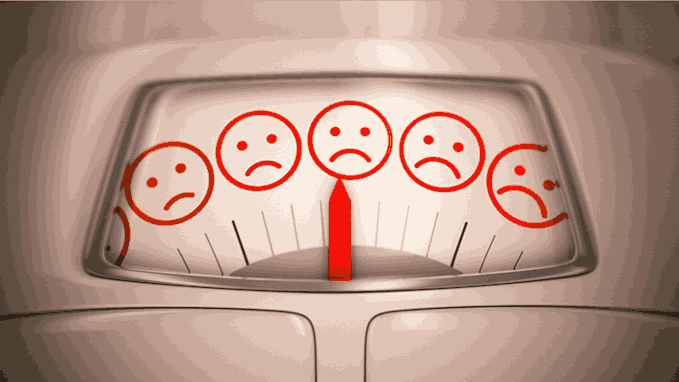
Strength training no scale results may sound unconventional, but they’re the ones that last. Because they’re not based on water weight, they’re built on skill, power, and self-respect. And isn’t that what fitness should be?
Your body doesn’t owe anyone a number. It owes you a sense of strength, stability, and vitality. If you’re ready to trade the scale for something more meaningful, strength training is where that begins. So lift. Move. Grow. Track what matters. And let the rest go.
Follow Vesturedebate for more fitness stories.
Recent Blogs
-

Zzz-Pedic Mattress Review 2024: Is This the Secret to Pain-Free Sleep?
Explore our detailed Zzz-Pedic mattress review to find out if it offers the pain-free sleep you need. Learn about pressure relief, motion isolation, and cooling features.
-

How to Wash Down Jacket at Home: All Washing Methods Explained
Many people avoid cleaning their down jackets, thinking one wrong wash will leave them flat, clumpy or less warm. However, with the right method and a little care, you can safely wash your down jacket at home.
-

Unvault Review 2024: The Ultimate Destination for Smart Tech and Gadgets?
Explore our detailed Unvault review for 2024. Discover trending tech gadgets, smart home accessories, mobile gear, and find out if this store deserves your business.
-

Amotopart Review: An Honest Look at Its Motorcycle Fairings, Parts, Quality & Value
Amotopart has built a broad aftermarket catalog around motorcycle fairings, replacement parts, and customization. The value is tempting. Still, buyers need to weigh pricing against fitment, finish, shipping, and real-world experiences and this Amotopart review aims to break that down.
-
How to Clean Leather Boots with Household Items: No Expensive Products Needed
A good pair of leather boots is worth the investment, but keeping them clean doesn’t mean buying expensive cleaning kits. With the right household items, you can remove dirt, preserve the leather’s appearance, and help your boots last for years.