How to Travel with Prescription Medication Without Trouble

Don’t let customs or flight rules ruin your routine, travel smart with medication.
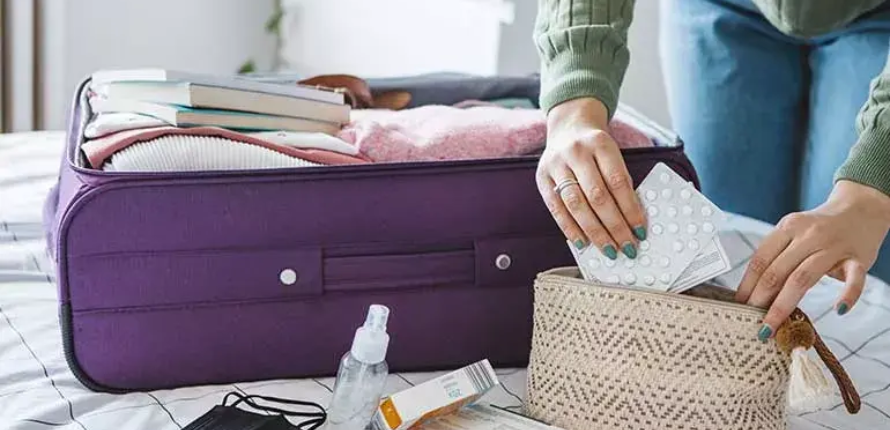
There’s nothing quite like the stress of airport security when you’re carrying prescription meds in your bag. You’re already anxious about your flight, and now there’s a quiet panic creeping in, will customs flag it? Is your medication even legal where you’re going? Why is that airport officer squinting at your pills like you packed a party instead of a blood pressure tablet?
If you’re traveling with medication internationally, you need more than just a ziploc and good intentions. Whether it’s insulin, antidepressants, or even something as routine as allergy pills, flying with prescriptions requires real planning. But once you understand how to travel with prescription medication the right way, you can stop worrying and start focusing on more important things, like not missing your gate. Let’s break it all down, from carry-on strategies to customs rules you definitely don’t want to learn about the hard way.
What to Pack and Where to Pack It
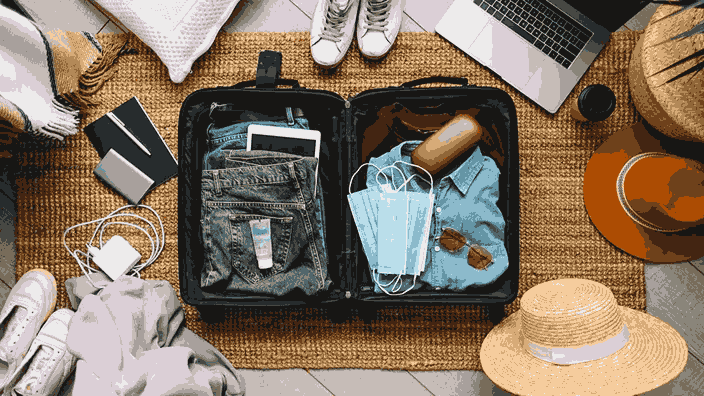
The very first decision you’ll need to make when traveling with medication is how and where to pack it. Most seasoned travelers agree: always keep essential medications in your carry-on. Not your checked bag, not your partner’s suitcase, your personal, always-with-you carry-on. Why? Because airlines lose bags, weather delays cause reroutes, and let’s face it, nobody wants to spend 10 hours over the Atlantic without access to life-sustaining meds.
Air travel with medication doesn’t have to be complicated, but you need to follow a few smart rules. Keep pills in their original pharmacy packaging if possible, especially when flying internationally. Loose pills in unlabelled containers look suspicious at best and illegal at worst.
If you're traveling with medication that requires refrigeration, such as insulin or certain injections, plan ahead with insulated cooling cases that meet TSA and international travel guidelines. Dry ice may not be permitted on certain flights, so always check with your airline in advance.
And don’t forget over-the-counter medications. Customs may not always recognize the difference between prescription and OTC, especially if you're travelling overseas with medication that’s banned or restricted in other countries.
Documentation to Carry
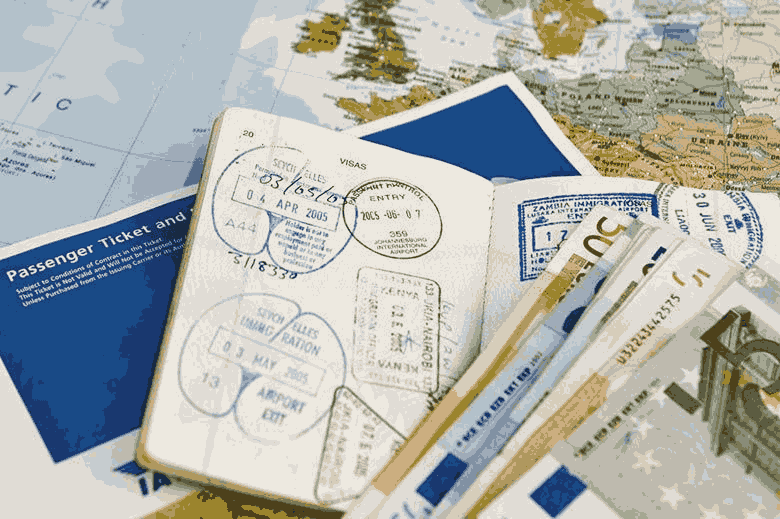
You wouldn’t cross a border without your passport, so don’t cross it without proper medical documentation either. When it comes to international travel with medications, paperwork is your protection.
The most basic document you need is a doctor’s prescription, a printed one, ideally on official letterhead, that includes the generic name of the drug, your name, dosage instructions, and what the medication treats. This helps customs officers verify that your meds are medically necessary and legally obtained.
If you’re traveling with medication that’s considered a controlled substance (think ADHD meds, certain sleep aids, or strong painkillers), you may need additional permits or prior approval. Some countries, Japan, for example, have strict bans on medications that are legal and common elsewhere.
It's also smart to carry a translated copy of your prescription if you’re heading to a non-English speaking country. Even better, keep a digital copy saved to your phone or email, just in case your paper copy gets lost or damaged mid-trip.
Customs Regulations by Country
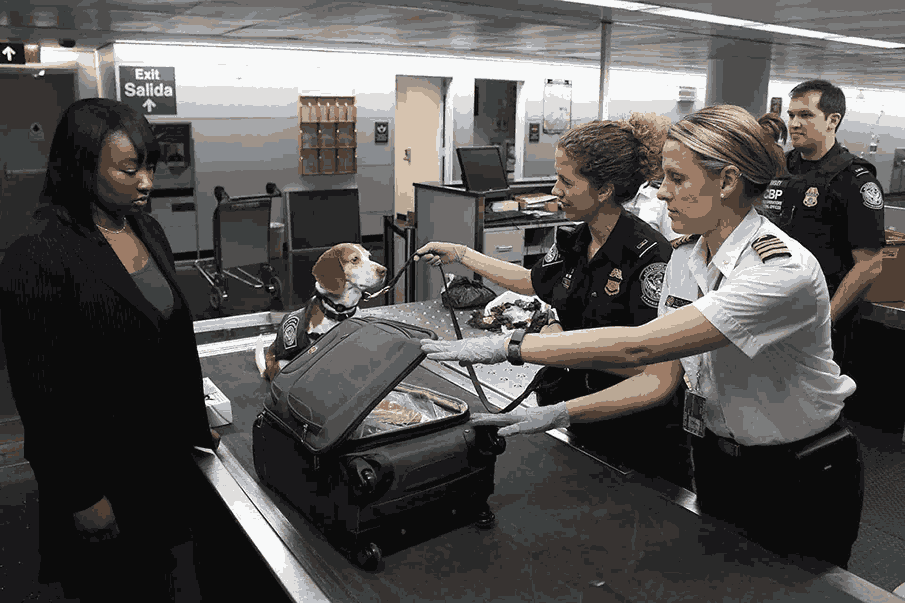
This is where most travelers mess up, not checking customs rules ahead of time. Every country has its own list of banned, restricted, or controlled substances, and these can include medications that are completely legal in your home country. For example, pseudoephedrine, found in common cold and sinus meds, is banned in Japan. Codeine, often prescribed for pain or cough, is restricted in the UAE and can land you in serious legal trouble without proper clearance.
Before flying, research the specific regulations for the country you’re visiting. Sites like the International Narcotics Control Board (INCB) and embassy travel advisories provide helpful, country-specific info. It’s also a good idea to check with your airline, some carriers may have additional restrictions or require advance notice for certain medications. If you’re still unsure, contact the embassy or consulate of your destination country. They can confirm whether your medication is allowed and what you’ll need to bring with you.
Failing to check these rules isn’t just risky, it’s a ticket to fines, delays, or even detainment. And no vacation is worth that.
How to Store Meds Safely While Traveling
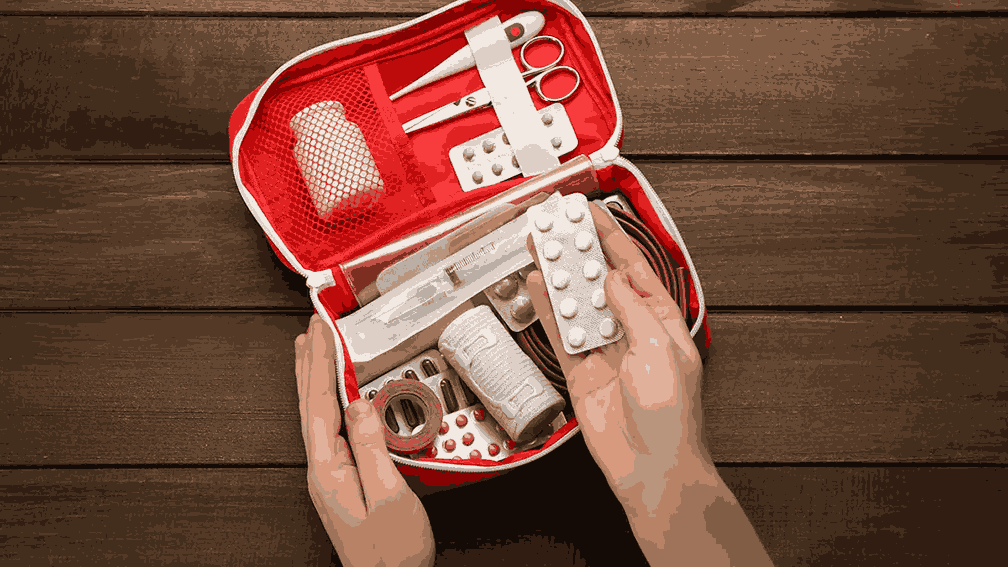
Once you're past airport security, the next hurdle is making sure your medication stays safe, effective, and easy to access. Temperature-sensitive meds need extra care. Portable coolers or insulated cases can help preserve efficacy, especially on long-haul flights or in tropical destinations. Always check the shelf life of your meds when stored at varying temperatures, some lose potency quickly if not kept cool.
For daily use, create a system that works: a small, labelled pill organizer can make things easier once you're at your destination, but keep original packaging in your luggage for reference in case you’re questioned. If you’re dealing with time zones, remember to adjust your medication schedule slowly, especially for critical medications like insulin or birth control pills. Set reminders on your phone based on local time so you don’t miss a dose.
And in case of emergencies, always travel with extra doses (enough for at least a few extra days), along with your documentation and insurance cards. If your meds are stolen or lost, having copies of everything speeds up the process of replacing them.
Air Travel with Medication Isn’t Just Allowed, It’s Doable
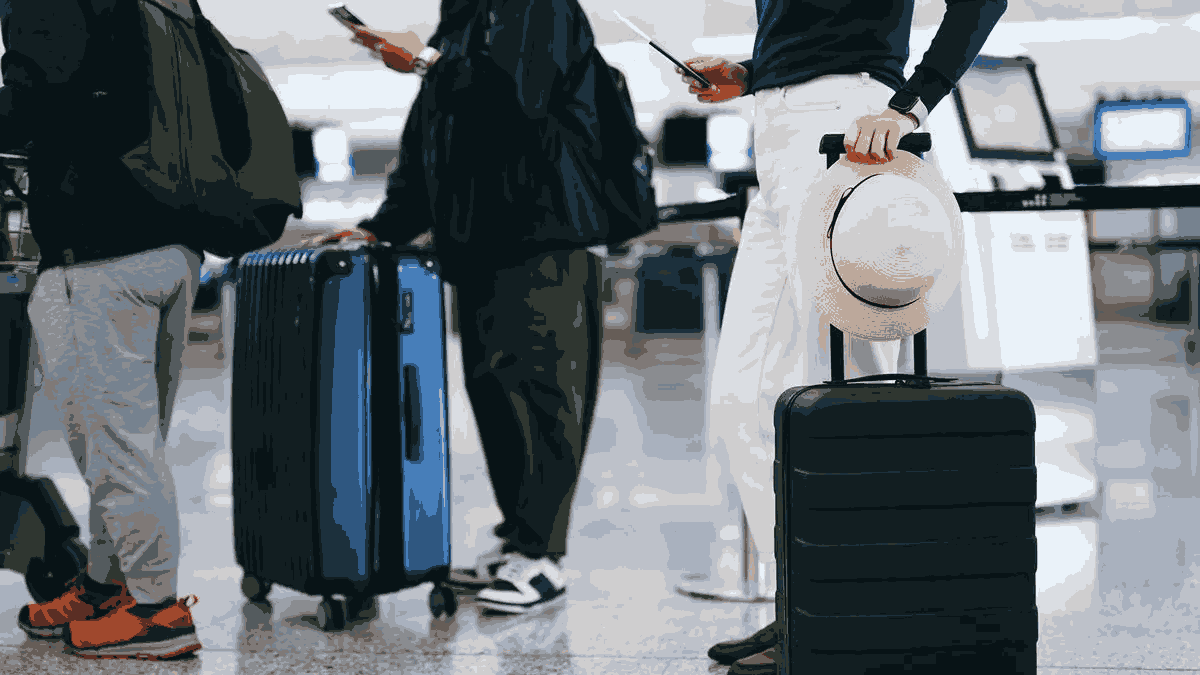
Let’s say it louder for the anxious travelers in the back: yes, you’re allowed to fly with prescription medication.Whether you're taking a domestic flight or traveling with medication internationally, the key is preparation, not panic. From TSA screenings to customs declarations, air travel with medication is manageable if you know what to expect. Being proactive can save you time, money, and the heartbreak of having to toss essential medicine into a bin before boarding.
If you’ve ever stood frozen in front of a customs officer wondering if your allergy pills are about to become international contraband, you know the fear is real. But it doesn’t have to be. Pack smart. Document everything. Double-check the rules. And maybe throw a protein bar in your bag while you're at it, because travel stress hits harder when you’re hungry.
Traveling with medication is not something you should leave to chance. With the right planning, paperwork, and storage tools, you can breeze through security and customs without worry. Being informed means fewer disruptions and more time enjoying your trip, not explaining your pill bottle to a stern-faced officer.
For more no-nonsense travel advice like this, follow VestureDebate.
Recent Blogs
-

Zzz-Pedic Mattress Review 2024: Is This the Secret to Pain-Free Sleep?
Explore our detailed Zzz-Pedic mattress review to find out if it offers the pain-free sleep you need. Learn about pressure relief, motion isolation, and cooling features.
-
How to Wash Down Jacket at Home: All Washing Methods Explained
Many people avoid cleaning their down jackets, thinking one wrong wash will leave them flat, clumpy or less warm. However, with the right method and a little care, you can safely wash your down jacket at home.
-

Unvault Review 2024: The Ultimate Destination for Smart Tech and Gadgets?
Explore our detailed Unvault review for 2024. Discover trending tech gadgets, smart home accessories, mobile gear, and find out if this store deserves your business.
-
Amotopart Review: An Honest Look at Its Motorcycle Fairings, Parts, Quality & Value
Amotopart has built a broad aftermarket catalog around motorcycle fairings, replacement parts, and customization. The value is tempting. Still, buyers need to weigh pricing against fitment, finish, shipping, and real-world experiences and this Amotopart review aims to break that down.
-

How to Clean Leather Boots with Household Items: No Expensive Products Needed
A good pair of leather boots is worth the investment, but keeping them clean doesn’t mean buying expensive cleaning kits. With the right household items, you can remove dirt, preserve the leather’s appearance, and help your boots last for years.