The Weirdly Effective Mental Habits of Pro Athletes You Can Steal

You don’t need to play pro to train your brain like one. These weird habits work off the field too.

You might not have a stadium cheering your name or a contract with Nike, but your brain? It’s still eligible for a serious upgrade. Because while pro athletes may have the best gear, trainers, and endorsements, what really sets them apart is how they think.
The mental game isn’t just part of being a top performer. For many athletes, it is the game. And what’s wild is that many of their most effective strategies aren’t flashy or complicated. They’re quiet, quirky, and weirdly simple. But they work. Not just on the field, but off it too.
So if you’ve been wondering how to be mentally sharp without turning your life into a motivational poster, here’s a peek into the habits of athletes you can actually steal.
Pre-Performance Rituals Are Not Just Superstition

Why repetition calms the chaos before game time
Before a big match, some pro athletes put on their socks in a specific order. Others listen to the same three songs. A few walk the same hallway at the same time, every time. To outsiders, these pre-game rituals seem like quirks but for the athletes, they’re anchors.
Repetition tells the brain, this is familiar. It builds rhythm in a moment that feels anything but stable. And when pressure is high, rituals act like grounding cords. They pull you into focus without forcing it. They’re a reminder that you’ve been here before, even if the stakes are new.
Learning how to improve your mental habits starts with choosing a set of steps, morning coffee, two-minute breathwork, a walk around the block and treating them as sacred. It’s not about superstition. It’s about creating a pattern your brain can trust when everything else feels unpredictable.
Visualisation Is How the Brain Trains
Seeing the outcome before it exists. It sounds cliché until you realise how often athletes do it. They don’t just train their muscles. They train their brain to see success before it happens. Visualisation is a practice rooted in neuroscience. When you mentally rehearse an action, your brain fires the same pathways as if you were physically doing it. That means you’re building experience without lifting a finger.
For athletes, visualisation primes the mind for confidence. A basketball player might imagine the perfect shot arc. A runner might feel the ground under their feet before the gun goes off. It’s a full-body mental dress rehearsal and it sharpens focus more than any pep talk ever could.
When you're learning how to be mentally sharp, this one’s free, effective, and requires zero equipment. Just sit, breathe, and watch yourself succeed before you move. Even if you're not competing, even if your “arena” is a client call or job interview, your brain responds the same way. It gets better at making it real because it already felt real.
Consistency Is A Superpower

The best mental health habits start with structure
There’s something almost boring about the way most pro athletes live. But that’s the point. Their greatness doesn’t come from spontaneous bursts, it comes from repeatable routines. Wake up, hydrate, train, eat, rest, review. And again. And again.
The habits of athletes keep their bodies strong and even protect their minds. Routine reduces decision fatigue. It carves out space for confidence. It stops overthinking before it spirals. And when pressure builds, consistency becomes the fallback plan.
The best mental health habits are often hiding inside your calendar. Things like sleep hygiene, nutrition timing, and even rest days aren’t just physical strategies but mental shields. They keep your mood stable, your energy predictable, and your brain ready to respond.
So if you’ve been trying to train your brain without thinking about your schedule, know that stability is mental strength. It’s not glamorous. But it works.
Fueling Focus Starts With Food

What healthy eating habits for athletes look like day to day
We think elite athletes must be eating seaweed smoothies and microdosed spirulina all day. But most of them stick to what fuels the body and the brain: whole, balanced, and consistent meals. Their focus comes from understanding how to eat for energy, not just aesthetics.
Healthy eating habits for athletes often involve keeping blood sugar stable, staying hydrated, and eating enough to support output. Restriction? Not part of the plan. Because a foggy brain doesn’t score points, break records, or even finish training.
If you want to train your brain, look at your plate. Food affects mood, concentration, and mental resilience. And when your brain isn’t trying to survive hunger, it finally gets the bandwidth to do its actual job which is thinking clearly, staying calm, and responding under pressure.
Resilience Comes from Recovery, Not Hustle

What athletes do when no one’s watching
Pro athletes aren’t grinding 24/7. They’re recovering with intention. Ice baths. Sleep tracking. Gentle movement. Mental check-ins. They don’t glorify burnout but actually avoid it like a rolled ankle.
The idea that performance is all about hustle is outdated. Resilience grows in rest. And athletes know this because pushing through without pause leads to injury, physical or mental. They treat downtime as part of the process. That’s what makes it powerful.
For everyday life, that might look like unplugging without guilt. It might mean saying no to one more task and yes to a walk outside. If you’re serious about building the best mental health habits, start by building boundaries around your energy.
Focus Training Is Just as Important as Fitness Training

People assume athletes are naturally focused. That they’re born with some superhuman attention span. But the reality is, most of them train focus the same way they train muscles. Deliberately. Over time.
That means scheduled breaks to avoid mental fatigue. Time blocks to isolate tasks. Breathing techniques to slow the heart rate before performance. It also means accepting that some days, even the best focus slips and that doesn’t mean you failed. It means you’re human.
Five minutes of breathing before a task. One hour of tech-free deep work. A moment of self-check when anxiety creeps in. These are small, daily reminders that your brain is a muscle too and it deserves training.
Pro athletes might have the spotlight, but the mindset behind their success? That’s something anyone can adopt. These mental habits aren’t locked behind contracts or endorsements. They’re built in early mornings. Quiet reps. Honest reflections. And they’re available to anyone who wants to train, not just the body but the brain.
So if your goal is to feel more grounded, focused, and ready for whatever life hands you, steal these. Start small. Pick one habit. Repeat it until it becomes second nature. You don’t need a jersey to do this. You just need consistency, curiosity, and the willingness to show up with intention.
Follow VestureDebate for more content on fitness, health, and sports.
Recent Blogs
-

Zzz-Pedic Mattress Review 2024: Is This the Secret to Pain-Free Sleep?
Explore our detailed Zzz-Pedic mattress review to find out if it offers the pain-free sleep you need. Learn about pressure relief, motion isolation, and cooling features.
-

How to Wash Down Jacket at Home: All Washing Methods Explained
Many people avoid cleaning their down jackets, thinking one wrong wash will leave them flat, clumpy or less warm. However, with the right method and a little care, you can safely wash your down jacket at home.
-

Unvault Review 2024: The Ultimate Destination for Smart Tech and Gadgets?
Explore our detailed Unvault review for 2024. Discover trending tech gadgets, smart home accessories, mobile gear, and find out if this store deserves your business.
-

Amotopart Review: An Honest Look at Its Motorcycle Fairings, Parts, Quality & Value
Amotopart has built a broad aftermarket catalog around motorcycle fairings, replacement parts, and customization. The value is tempting. Still, buyers need to weigh pricing against fitment, finish, shipping, and real-world experiences and this Amotopart review aims to break that down.
-
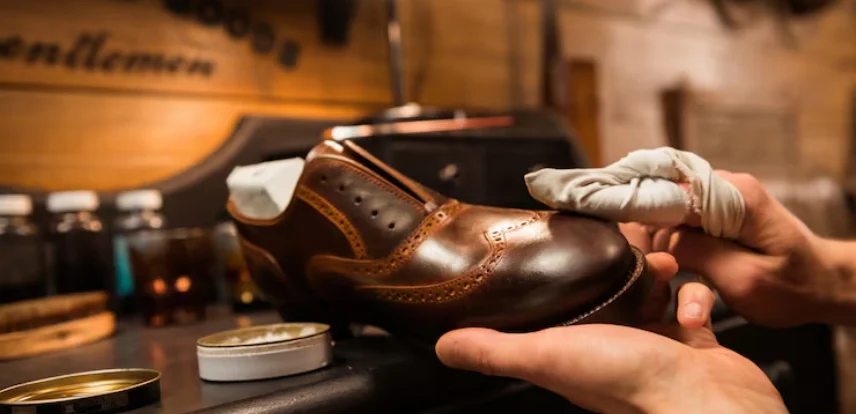
How to Clean Leather Boots with Household Items: No Expensive Products Needed
A good pair of leather boots is worth the investment, but keeping them clean doesn’t mean buying expensive cleaning kits. With the right household items, you can remove dirt, preserve the leather’s appearance, and help your boots last for years.