What to Do If You See a Wild Animal While Hiking

Hikes are fun until something growls back. Knowing how to react can save your life.
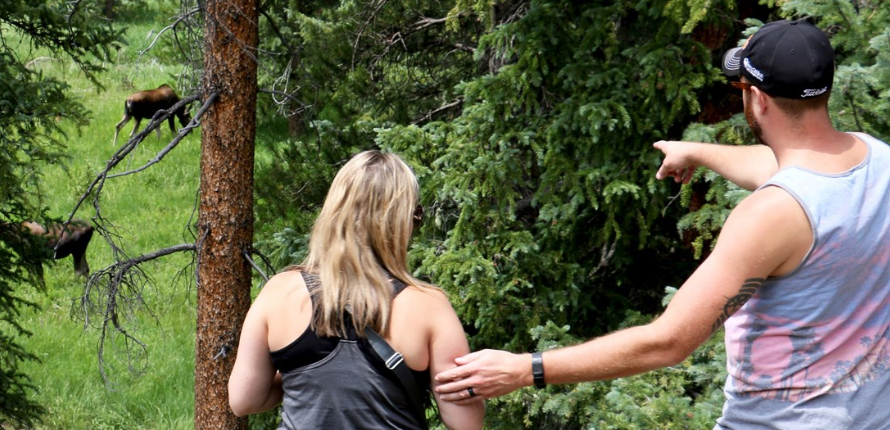
You pack your trail mix, lace up your boots, and head out thinking the only thing you’ll be dodging are tree roots and awkward small talk with other hikers. But somewhere around the second mile, something rustles too close, too loud. You freeze. Your heart races. Because now this peaceful hike has turned into a staring contest with nature, wild, unfiltered, and way too close for comfort.
Animal encounters while hiking aren’t rare. And while they don’t always end badly, the outcome often depends on what you do next. If you’ve ever wondered how to protect yourself from wild animals while hiking, or what to pack, say, or not do when a bear sizes you up, this one’s for you.
Common Wildlife Encounters in Hiking Zones
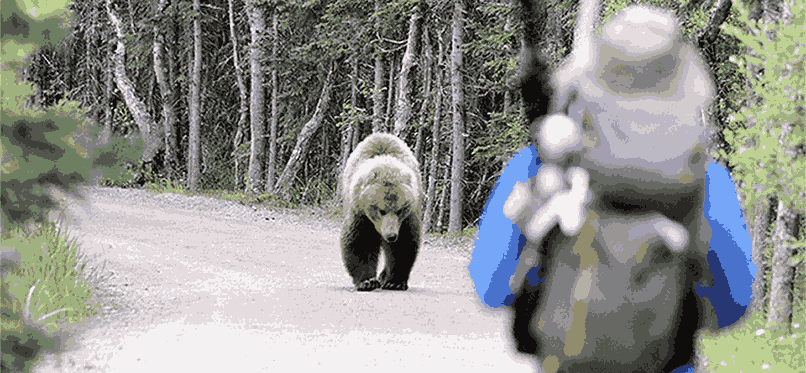
Bears, snakes, wild boars, and more
Some trails are postcard pretty. Others are… let’s say shared real estate. Depending on where you hike, animal encounters on hiking trails can range from fascinating to downright dangerous. Bears are one of the most common animals hikers worry about. But they’re not alone on the trail. Snakes sunbathe across rocky paths. Coyotes watch from ridgelines. And wild boars? Let’s just say they don’t love being surprised.
Understanding which animals roam your hiking area is step one in smart hiking protection from animals. Most dangerous animals while hiking tend to be more scared of you than you are of them, until they feel trapped or provoked. That’s when even a docile-looking deer can throw a hoof your way.
What usually triggers attacks
The most common trigger? You. Or more specifically, your sudden arrival in their space. Surprising a wild animal almost never ends well. A bear with cubs sees a threat. A snake feels vibrations and lashes out. A boar might hear your dog bark and charge defensively. Most wild animals aren’t lurking to pounce, they’re just trying to keep their territory safe.
Noise, strong scents, and unpredictability are usually what set off reactions. And the scarier truth is, many hikers have no idea what they did wrong until it’s too late.
The Right Way to React and De-Escalate
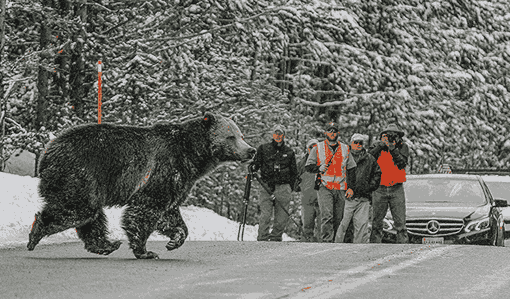
When to freeze, talk, back away, or climb
So what do you do when you’ve locked eyes with something you never wanted to meet on a hike? The first rule is to pause, literally. Don’t scream. Don’t run. Don’t turn your back. Running can trigger a chase instinct in predators, even ones that weren’t interested in you seconds ago.
For most animals, standing your ground calmly is the safest option. If it’s a bear, talking softly and slowly backing away shows you’re not a threat. If it’s a snake, stillness is your best friend. For moose or wild boars, your best bet is often creating distance fast—but without provoking further movement.
There’s no universal script, but knowing what usually works can keep you from relying on panic. And sometimes, the safest action is to slowly climb out of sight if the terrain allows, especially if you’re dealing with an aggressive boar or territorial predator.
Why instinct is often wrong
Your instincts may scream Run! Scream! Flee!, but they’re usually the worst advice in that moment. That surge of adrenaline makes you feel invincible or invisible, but it rarely leads to good decisions. Nature doesn’t care about bravado. And animals don’t respond well to chaos.This is where prepping before your hike matters more than muscle.
Smart Prevention Before the Trail Even Starts
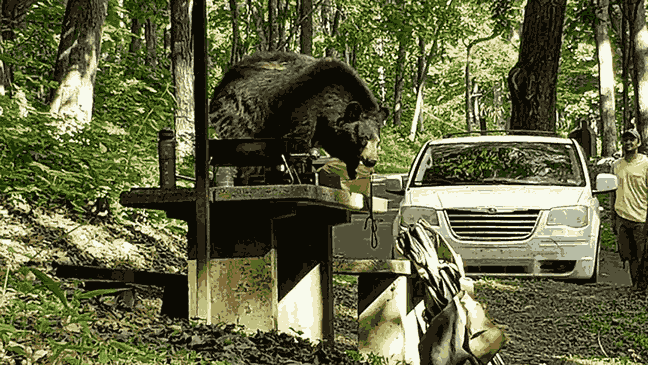
Scent, sound, and timing tricks
Animal encounters don’t always have to happen. Some of the most effective hiking protection from animals starts before you even step onto the trail. Wildlife tends to avoid loud groups. Talking, singing, or even using bear bells can give animals enough notice to move away before you cross paths.
Scent matters, too. Animals have noses that make our best perfumes smell like lunch. If you’re wearing heavily scented products, or carrying food that’s too accessible, you’re basically ringing a dinner bell. Proper food storage, especially on longer hikes or camping treks, is a non-negotiable.
Timing also plays a role. Dusk and dawn hikes might be scenic, but they’re also peak activity times for many animals. Choosing mid-morning to afternoon hikes gives you better light, more visibility, and fewer surprise guests.
Packing gear that actually helps
It’s easy to overpack when you're prepping for a hike but a few intentional items can completely change how prepared you are for unexpected wildlife run-ins. The most basic? An animal repellent spray for hiking. It’s not just for bears, many sprays are formulated to deter other aggressive wildlife and can buy you precious seconds to escape or de-escalate.
Whistles, air horns, or even small alarms can scare animals off before they get too close. Headlamps with strobe features help if your hike goes later than planned. And yes, hiking sticks aren’t just for knees, they also help keep distance if needed.
Preparation doesn’t mean you expect danger. It just means you’re smart enough to be ready for it. Knowing how to avoid animal attacks while hiking begins with what you carry, how you behave, and how aware you stay from start to finish.
There’s nothing quite like that post-hike buzz. The sun on your skin, the fresh air in your lungs, the high that comes from disconnecting for a few hours. But the same trails that reset your mind are also home to animals trying to survive the same wild. And while most animal encounters while hiking don’t end in drama, it only takes one wrong move to turn wonder into panic. Knowing how to protect yourself from wild animals while hiking isn’t about being scared, it’s about hiking smarter, not harder.
So stay loud, pack right, learn the land, and most importantly, respect it. Wild animals aren’t invaders on your trail. You’re just a guest in theirs.
Follow VestureDebate for more nature-smart hiking tips and content.
Recent Blogs
-

Zzz-Pedic Mattress Review 2024: Is This the Secret to Pain-Free Sleep?
Explore our detailed Zzz-Pedic mattress review to find out if it offers the pain-free sleep you need. Learn about pressure relief, motion isolation, and cooling features.
-
How to Wash Down Jacket at Home: All Washing Methods Explained
Many people avoid cleaning their down jackets, thinking one wrong wash will leave them flat, clumpy or less warm. However, with the right method and a little care, you can safely wash your down jacket at home.
-

Unvault Review 2024: The Ultimate Destination for Smart Tech and Gadgets?
Explore our detailed Unvault review for 2024. Discover trending tech gadgets, smart home accessories, mobile gear, and find out if this store deserves your business.
-

Amotopart Review: An Honest Look at Its Motorcycle Fairings, Parts, Quality & Value
Amotopart has built a broad aftermarket catalog around motorcycle fairings, replacement parts, and customization. The value is tempting. Still, buyers need to weigh pricing against fitment, finish, shipping, and real-world experiences and this Amotopart review aims to break that down.
-

How to Clean Leather Boots with Household Items: No Expensive Products Needed
A good pair of leather boots is worth the investment, but keeping them clean doesn’t mean buying expensive cleaning kits. With the right household items, you can remove dirt, preserve the leather’s appearance, and help your boots last for years.