Hiking Shoes vs Boots: Which Is the Better Choice for Your Next Hike?

The debate over hiking shoes vs boots is not about which is better. It is about matching your gear to the trail, the terrain, and the distance. Learn the key differences to find the perfect fit for every adventure on each trip.
All featured products are selected by our editors and may include affiliate links. If you purchase through these links, we may earn a commission.
Choosing between hiking shoes vs boots is one of the biggest decisions every hiker faces before hitting the trail. While both are designed for outdoor adventures, they perform differently depending on the terrain, distance, weather conditions, and the amount of gear you carry. The right choice is not about which option is better overall. It is about selecting footwear that matches the type of hiking you do most often.
Some hikers value the lightweight feel and flexibility of hiking shoes, while others prefer the added support and durability that hiking boots provide. Understanding the strengths and limitations of each can help you stay comfortable, reduce fatigue, and enjoy every mile with greater confidence.
Quick Answer: Choose hiking shoes if you hike on well maintained trails, carry a light pack, and want easy comfort. Choose hiking boots if you tackle rugged terrain, carry heavy loads, or need extra ankle support and protection.
Key Difference Between Hiking Boots and Hiking Shoes at a Glance
Knowing how greatly the slightest of differences impacts your feet, it's important to know about key steps to pick the right boot or shoe for an occasion. The table below will help hikers understand the major differences between hiking shoes and hiking boots so they can figure out which is best for them.
|
Feature |
Hiking Shoes |
Hiking Boots |
|---|---|---|
|
Weight |
1.5 to 2.5 lbs (Lightweight and nimble) |
2.0 to 4.5+ lbs (Heavier and robust) |
|
Ankle support |
Minimal (sits below the ankle joint) |
Moderate to High (Collared design stabilizes the ankle) |
|
Break-in time |
Minimal to None (Comfortable straight out of the box) |
Several days to weeks (Particularly full-grain leather) |
|
Waterproofing |
Widely available, but low cuff lets water in from above |
Superior protection (High collar prevents water, mud, and debris entry) |
|
Breathability |
High (Mesh uppers provide maximum airflow) |
Low to Moderate (Thicker build tends to run warm) |
|
Durability |
300 to 500 miles (EVA foam cushion compresses faster) |
1,000 to 2,000+ miles (Hardier builds; often resoleable) |
|
Traction & stability |
Best for maintained, established trails |
Superior torsional rigidity for rocky, steep, or off-trail terrain |
|
Best for |
Day hikes, warm weather, fast & light trips |
Multi-day treks, heavy packs, rough or cold/wet conditions |
What Are Hiking Shoes?
Hiking shoes are low-cut footwear that look and feel more like athletic sneakers than traditional boots. The best hiking shoes feature well-ventilated mesh or synthetic uppers, flexible midsoles, and breathable construction. They are popular for day trips and well-maintained trails, or for cushioning and agility.
Types of Hiking Shoes
A lot of hikers may not even know that for different hiking purposes, different hiking shoes with different features and purposes exist. These are the main types of hiking shoes and the situations where each one is best suited.
Barefoot Minimal Hiking Shoe
Barefoot or minimal hiking shoes offer natural feel on the trail. Feature a zero drop sole, a wide toe box, and a thin, flexible outsole these shoes allow your feet to freely while maintaining ground feel.
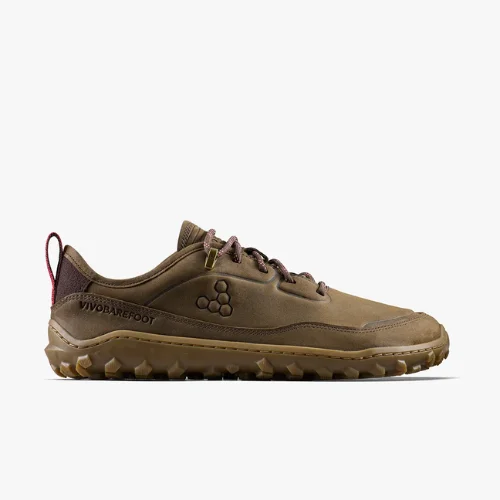
The Vivobarefoot Tracker Leather AT Low II is a barefoot hiking shoe that delivers natural movement without sacrificing trail performance. The low cut design, Wild Hide leather upper, All Terrain outsole, and removable thermal insole provide reliable grip, wearability, and weather resistance, making it an excellent option for diverse hiking terrains
Trail Running Hiking Shoes
Trail running shoes are built for speed and agility on off-road terrain which makes them popular fast hikes and trail runs. They combine low weight feel of running shoes with deeper lugs reinforced uppers, and added underfoot protection for better grip and stability on dirt, rocks, and mud.
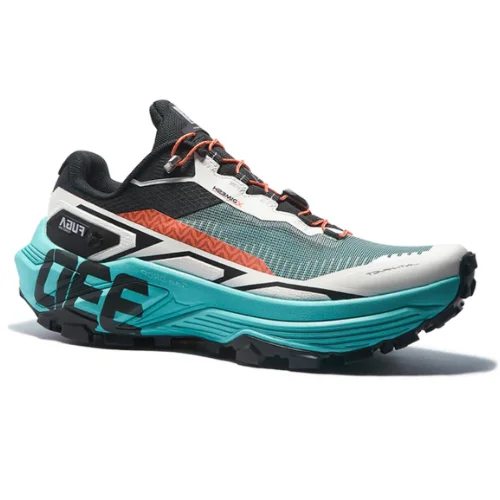
The Kailas FUGA EX 330 is designed for long distance performance across mixed terrain. It features a lightweight and ventilated upper, a cushioned supercritical foam midsole, and a Vibram Megagrip outsole with aggressive lugs for confident traction. If your hikes prioritize covering ground quickly over carrying heavy loads, trail running shoes from Kailas are a strong alternative to traditional hiking footwear, and using Kailas discount code will allow you to get your hands on them at a very attractive price.
Approach Hiking Shoes
Sitting between traditional hiking and rock climbing shoes, approach shoes are built for rocky trails, scrambles, and technical terrain. They feature sticky rubber outsoles, reinforced toe protection, and lace to toe designs offer greater grip and precision on rock and are comfortable for hiking.
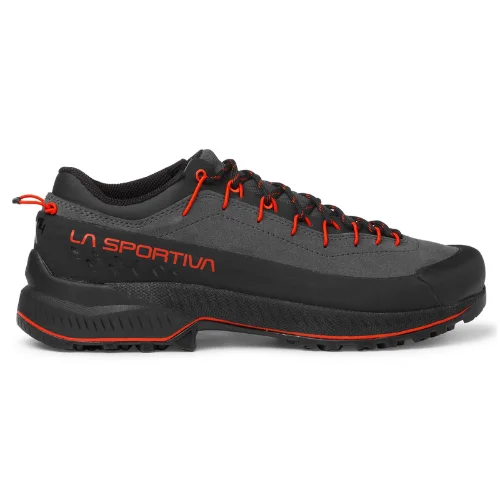
The La Sportiva TX4 EVO is a standout approach shoe with a Vibram® Megagrip outsole, Climbing Zone Platform, and supportive STB Control System™ for added stability. It's an excellent choice for hikers who frequently tackle rocky, technical routes where extra traction and control matter.
What Are Hiking Boots?
Hiking boots are sturdier footwear with a mid-cut or high-cut design that offers greater stability and protection. They feature more durable uppers, stiffer midsoles, and taller collars around the heel and ankle part. These boots are suited for off-road trails, longer hikes, or carrying heavy backpacks.
Types of Hiking Boots
Similar to its lightweight counterpart, the term "hiking boot" covers several different categories. However, the best hiking boot brands offer a unique balance of support, protection, and durability. Knowing the differences can help you pick the right boot with confidence.
Day Hiking Boots
Day hiking boots are designed for hikers who want extra ankle protection without the bulk of heavy backpacking boots. Their mid-cut design, durable construction, and grippy outsoles make them well suited for day hikes, uneven trails, and carrying light to moderate loads while remaining more flexible and comfortable than traditional trekking boots.
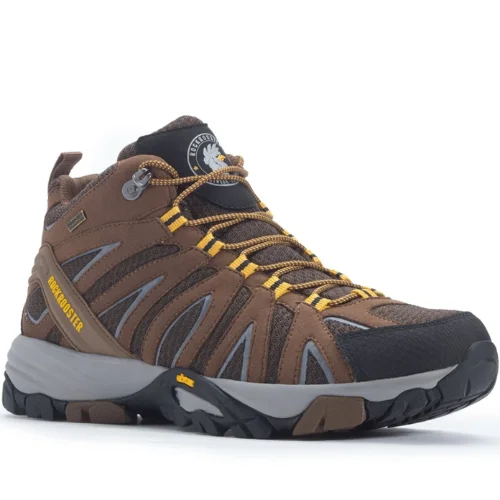
The ROCKROOSTER Bedrock OT21062 is a low weight boot designed for eased movement and dependable performance on the trail. It features a Vibram® outsole for reliable traction, a breathable ROOF-TEX waterproof membrane to keep feet dry, and an anti-fatigue foam insole for lasting comfort. Combined with its durable microfiber leather upper and supportive 6-inch design, these RockRooster day boots are an excellent option for hikes across rocky, muddy, and uneven terrain, and using the Rock Rooster Footwear promo code will ensure you get your hands on this durable, rugged boot at an affordable price.
Mountaineering Hiking Boots
Mountaineering boots are built for extreme alpine adventures where regular hiking boots fall short. Featuring rigid soles, high-cut support, insulation, and crampon compatibility, they're designed for technical climbs, glacier travel, snow, and ice rather than everyday hiking. Their stiff construction provides the stability and protection needed in harsh mountain environments.
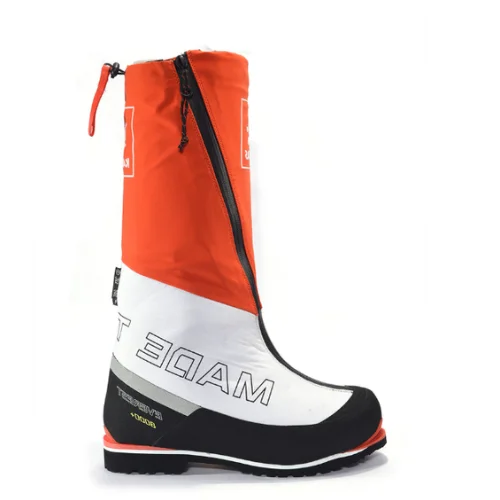
The Kailas 8000m Everest Waterproof Mountaineering Boots are engineered for high-altitude expeditions and 8,000-meter peaks. Despite their agile design, they deliver exceptional warmth, weather protection, and support, making them ideal for serious mountaineers tackling extreme conditions.
Backpacking Hiking Boots
Backpacking boots are designed for longer hikes, challenging terrain, and carrying heavier packs. Compared to day hiking boots, they offer stiffer midsoles, greater ankle coverage, and more durable construction to improve stability and reduce fatigue on long-distance treks.
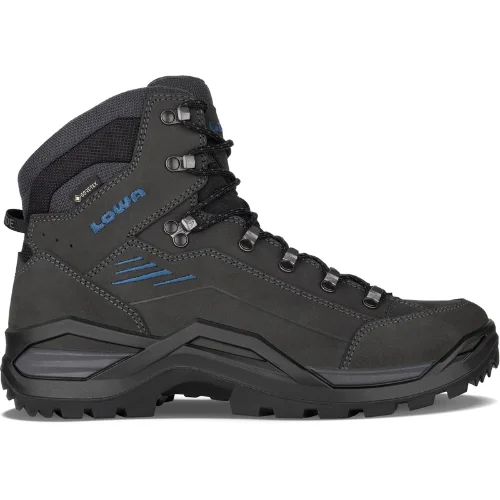
The LOWA Renegade Evo GTX Mid is a dependable backpacking boot featuring waterproof GORE-TEX protection, durable nubuck leather, a supportive MONOWRAP® frame, and a Vibram® Rene Trac outsole for confident traction. It's an excellent choice for hikers tackling rugged trails and overnight backpacking adventures.
Pros and Cons of Hiking Shoes and Boots
Both hiking shoes and hiking boots have their strengths and limitations, making each a better fit for different types of hikes and terrain.
|
|
Hiking Shoes |
Hiking Boots |
|---|---|---|
|
Pros |
|
|
|
Cons |
|
|
FAQs
Can You Hike in Regular Running Shoes Instead of Boots?
Yes, for easy, well-maintained trails, but hiking footwear offers better grip, protection, and durability.
Are Expensive Hiking Boots Better Than Budget Shoes?
Not always. Higher-priced boots typically offer better materials, durability, and support, but fit matters most.
How Do You Know If Hiking Shoes Fit Correctly Unlike Boots?
Your toes should have room to move, your heel should stay secure, and there should be no pressure points.
Are Hiking Shoes and Hiking Boots the Same Thing?
No, hiking shoes are lighter and lower-cut, while hiking boots provide more support and protection.
Should I Buy Hiking Shoes or Boots?
Choose hiking shoes for light trails and hiking boots for rugged terrain or heavy backpacks.
Which Is Better Between Trail Shoes and Hiking Boots?
Trail shoes are best for speed and agility, while hiking boots excel in support and durability.
For hikers, the difference between hiking shoes and boots purely depends on the context in which they are hiking. There’s no one-size-fits-all answer. Hiking shoes are ideal for lighter, faster adventures on maintained trails, and with hiking shoes by iRun being a viable option that can keep up with you on even the roughest of terrains. Meanwhile, whereas hiking boots offer support, protection, and durability for challenging terrains and longer treks.
But if you're looking for a pair of durable, high quality shoes that keep up across both uneven plains as well as for everday wear, then there's a whole variety of some of the best Outland shoes available for both men, women, and even toddlers to try.
Ultimately, when it comes to hiking shoes vs boots, the answer depends upon the conditions you face and the level of comfort you need. By matching your footwear to your adventures, you'll enjoy safer and more smoother adventures with every step.
Stay tuned to VestureDebate for more in-depth insights on footwear.
Recent Blogs
-
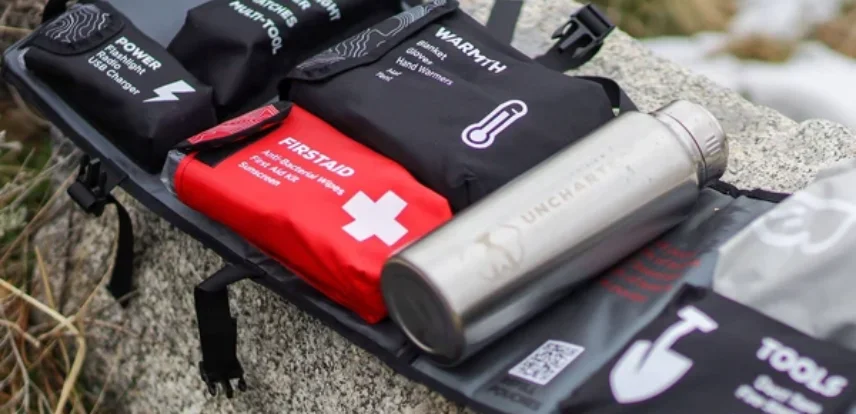
Uncharted Supply Co. 72 Hour Survival Kit Review
Three days of emergency gear sounds simple until every item has to justify its weight and purpose. Here is what matters and how the SEVENTY2 approaches it.
-
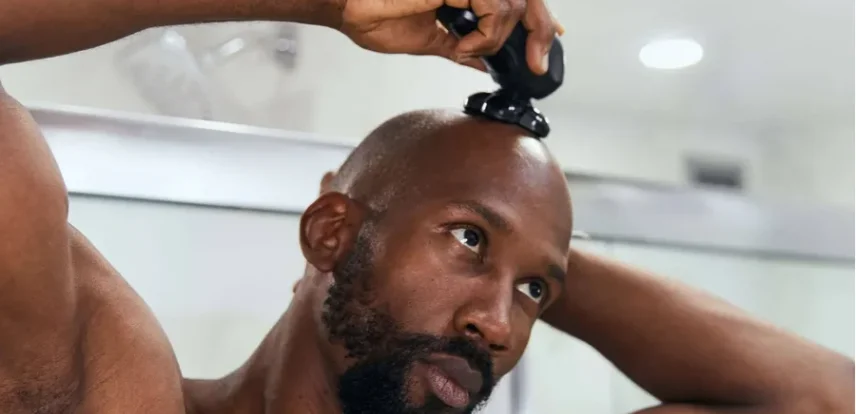
Groomie BaldiePro Review: Is This Electric Head Shaver Worth It?
Groomie promises faster grooming and fresh blades on schedule. Here is what deserves a closer look before you subscribe.
-

Everything You Need to Know About Care.com Summer Nanny Jobs
Finding a summer nanny job can be a great way to earn while working with children on a schedule that fits your plans. Care.com connects caregivers with families looking for summer childcare, with opportunities that can vary by location, hours, responsibilities, and pay.
-
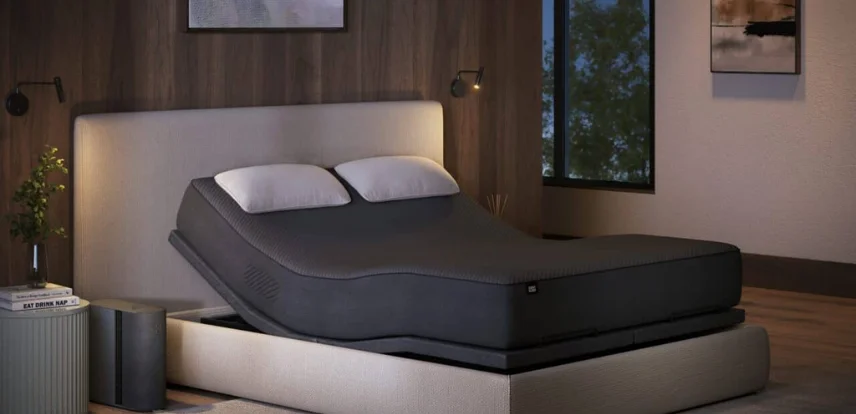
Bryte Vs Eight Sleep Reveals Two Very Different Ways To Sleep Smarter
Two advanced sleep systems take very different routes to better rest. Here is what those differences could mean once you actually get into bed.
-
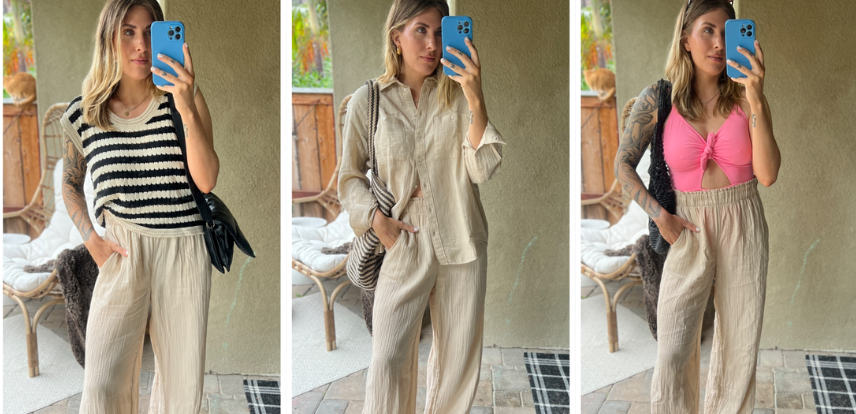
Best Gauze Pants for Women by Michael Stars
Finding the right pants can be tricky when you want both comfort and style in one pair. Some of the top gauze pants for women by michael stars offer a lightweight, breathable option that works well for relaxed days and casual outings. But with different fits, fabrics, and styles available, knowing what to look for can help you choose a pair you will actually enjoy wearing.