How To Choose a Dinnerware Set: A Complete Buying Guide

Selecting dinnerware set can make everyday meals feel more special and bring your dining table together. With so many materials, sizes, designs, and price points available, select dinnerware that balances style and practicality takes a little planning.
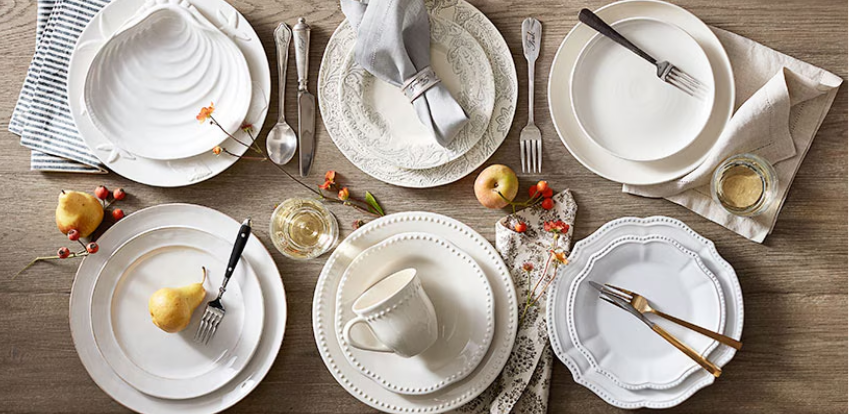
Choosing dinnerware set involves more than picking plates and bowls that look appealing. The right set should suit everyday meals, special occasions, household size, and available storage space. It should also be easy to maintain and fit comfortably within the budget.
From lightweight porcelain to rustic stoneware and outdoor-friendly melamine, dinnerware comes in several materials and styles. Understanding their differences can make it easier to compare options and choose a set that suits everyday needs, personal preferences, and budget.
This guide covers the main factors to consider before buying, including material, durability, place settings, design, maintenance, and price.
Quick Guide to Choosing the Right Dinnerware for Your Dining Needs
Pick a dinnerware set that depends on how and where it will be used. This quick guide can help narrow down the options.
|
Dining Needs |
What to Consider |
|---|---|
|
Everyday family meals |
Porcelain or stoneware with suitable care instructions |
|
Formal dinners |
Porcelain or bone china with a refined finish |
|
Outdoor meals and picnics |
Melamine designed for outdoor use |
|
Small kitchens |
Lightweight, stackable dinnerware |
|
Frequent reheating |
Dinnerware specifically labeled microwave-safe |
|
Budget-conscious shopping |
Affordable sets with the essential pieces and a practical design |
Choose a dinner set material alone does not guarantee durability or appliance compatibility. Product construction, decorative finishes, and manufacturer instructions also matter
Essential Steps to Finding the Right Dinnerware Set
Before choosing casual dinnerware or a formal collection, consider how it will be used. Material, durability, design, piece count, and price all influence whether a dinnerware set meets everyday needs.
Consider Durability and Quality
Dinnerware should suit the demands of regular use. Plates and bowls may be exposed to frequent washing, stacking, and everyday handling, so construction and care requirements are important.
When comparing dinnerware sets, look for:
- A finish that suits the intended use
- Pieces that stack securely
- Clear care instructions
- Replacement pieces, if available
- A design that can handle the household's usual dining routine
No dinnerware is completely immune to chips, cracks, or scratches. Even durable materials can be damaged by hard impacts or sudden temperature changes. Find a Dinner Set based on its specific features rather than assuming that a higher price guarantees better durability.
Pick a Style That Matches Your Taste
Dinnerware is part of the table setting, so its color, shape, and pattern can influence the overall look of a meal.
- White and neutral designs: Offer a versatile look that works with different table settings.
- Colorful patterns: Add personality and create a more distinctive table.
- Minimalist designs: Suit contemporary dining spaces and simple decor.
- Rustic finishes: Can complement casual meals and natural textures.
- Mixed designs: Allow different colors or patterns to be combined for a personalized look.
A neutral dinnerware set can be a flexible starting point, while accent plates or bowls can add color without requiring an entirely new collection.
Check the Size and Number of Pieces
Dinnerware sets vary in the number and type of pieces included. A set may contain dinner plates, side plates, bowls, mugs, or serving dishes.
Before buying, check the product listing for the exact contents. A higher piece count does not always mean more useful pieces. Some sets include cups, saucers, or serving items that may not be needed.
Consider:
- The number of people who regularly eat at home
- Whether guests are hosted often
- Which plates and bowls are used most frequently
- Whether extra pieces would be useful during busy days
- Whether the set includes items that may rarely be usedA smaller household may only need a basic set, while a larger household or frequent host may benefit from additional place settings.
Look for Easy Maintenance
Nobody wants to spend extra time cleaning dinnerware after every meal. Pick a dish set where pieces are dishwasher-safe and microwave-safe, especially if you plan to use them regularly.
Consider whether the set:
- Is labeled dishwasher-safe
- Is labeled microwave-safe
- Has decorative details that require special care
- Needs handwashing
- May be prone to staining or surface wear
Metallic details, delicate decorations, and some finishes may require extra care. Always follow the instructions for the exact product instead of relying only on its material name.
Consider Your Budget
Dinnerware sets are available at a wide range of prices. Setting a budget before shopping can help narrow the options and prevent unnecessary spending.
Compare the following details:
- Material and construction
- Number of pieces
- Design and finish
- Care requirements
- Replacement-piece availability
- Shipping costs and return policies
An affordable set may be suitable for everyday meals, while a more expensive collection may offer a specific design or finish. The most suitable option is the one that meets practical needs without paying for features that will rarely be used.
Choose the Right Dinnerware Material
The material of your dinnerware plays an important role in its appearance and everyday use. From elegant porcelain to sturdy stoneware, each option offers different benefits. Here's a quick comparison to help you choose the right option for your dining needs.
|
Material |
Key Features |
Best For |
|---|---|---|
|
Porcelain |
Often has a smooth, refined finish and can be made in relatively lightweight forms |
Everyday dining and special occasions. |
|
Stoneware |
Often thicker, heavier, and available in rustic or contemporary finishes |
Daily meals and everyday use. |
|
Bone China |
Known for its refined appearance, translucency, and lightweight feel |
Formal dinners and special gatherings. |
|
Ceramic |
A broad category that includes different types of fired clay dinnerware |
Casual dining and decorative table settings |
|
Earthenware |
Often has a traditional, rustic appearance and may be more susceptible to impact damage |
Relaxed dining and decorative table settings. |
|
Melamine |
Lightweight, durable, and resistant to breaking. |
Outdoor dining, picnics, and family use. |
Premium vs Budget Friendly Dinnerware: What's the Difference?
Dinnerware prices can vary based on material, construction, design, brand, and the number of pieces included.
Budget-Friendly Dinnerware
Budget-friendly dinnerware can be a practical option for everyday meals, first homes, or households that prefer easy replacement. Common advantages include:
- Affordable Pricing: Easy on your wallet and suitable for everyday use.
- Simple Designs: Usually features basic colors, patterns, and finishes.
- Practical Options: Offers essential plates, bowls, and mugs for daily meals.
- Easy Replacement: More affordable to replace if pieces get damaged.
- Limited Variety: May offer fewer premium materials and design options.
Premium Dinnerware
Premium dinnerware may offer distinctive designs, refined finishes, or specific materials such as bone china. Potential features include:
- High-Quality Materials: Often made with porcelain, bone china, or fine stoneware.
- Elegant Designs: Features refined finishes, unique patterns, and stylish details.
- Better Craftsmanship: Often offers carefully finished pieces with attention to detail.
- Long-Term Value: Can be a worthwhile investment when properly maintained.
- More Variety: Offers distinctive styles, finishes, and coordinated collections.
Tips for Maintaining Your Dinnerware Set
Proper care can help keep dinnerware in good condition. Cleaning, storage, and handling instructions vary by product, so the manufacturer's guidance should always take priority.
Wash Your Dinnerware Properly
Clean your plates, bowls, and cups after every use to prevent food stains and residue from building up. Use a mild dish soap and a soft sponge to avoid damaging the surface.
Check Dishwasher Instructions
Not all dinnerware is dishwasher-safe. Always check the manufacturer's instructions before placing your pieces in the dishwasher.
Avoid Sudden Temperature Changes
Moving dinnerware directly from the refrigerator to a hot oven can cause thermal shock. Let your dishes adjust to room temperature before exposing them to significant heat changes.
Store Plates Carefully
Stack plates neatly and avoid placing too much weight on top of them. You can use plate protectors or soft liners between pieces to prevent scratches and chipping.
Remove Stains Gently
For stubborn food stains, soak your dinnerware in warm, soapy water before washing. Avoid harsh scrubbers that can damage decorative finishes or glazed surfaces.
Handle Delicate Pieces With Care
Porcelain and bone china can be delicate, so handle them carefully while washing and storing. Avoid hitting them against sinks, countertops, or other dishes.
Use Microwave-Safe Dinnerware
Always check whether your dinnerware is microwave-safe before reheating food. Avoid microwaving pieces with metallic details or finishes unless the manufacturer specifically confirms they are safe.
Dry Before Storing
Make sure your dinnerware is completely dry before putting it away. This helps prevent moisture buildup, water spots, and unpleasant odors in your cabinets.
Understanding Set Sizes and Place Settings
A dinnerware set generally includes dinner plates, side plates, and bowls, with some casual collections adding mugs or serving pieces. The total piece count does not always match the number of complete place settings. For example, a standard 16-piece set usually provides four complete place settings, consisting of four dinner plates, four side plates, four bowls, and four mugs.
Determining the right number of place settings depends on household size, hosting habits, and available cabinet space. A basic recommendation is to buy enough settings to serve the household for two days without running the dishwasher, plus four extra settings for guests.
- Small Households (1 to 2 people): A set with 4 to 8 place settings handles daily meals and minor hosting.
- Family Households (3 to 4 people): A set with 8 to 12 place settings ensures enough clean dishes between washing cycles.
- Frequent Hosts: A total of 12 or more place settings provides enough coverage for large family dinners and gatherings.
Checking exact plate diameters, bowl depths, and replacement piece availability before buying helps ensure the set fits both kitchen cabinets and daily routines.
FAQs
Is Porcelain Better Than Stoneware?
Porcelain is lightweight and elegant, while stoneware is heavier and offers a more rustic look.
What Is the Most Durable Dinnerware Material?
Porcelain and bone china are durable options when properly cared for.
What Dinnerware Is Best for Everyday Use?
Stoneware, ceramic, and porcelain are all suitable for everyday dining. Ceramic offers various styles, while porcelain has a refined, lightweight finish. When comparing ceramic and porcelain dinnerware, consider your preferred design, durability, and care needs.
Choosing how to choose a dinnerware set starts with finding the right balance between style, quality, durability, and budget, and choosing the best dinnerware brands. Consider your daily dining habits, preferred materials, the number of pieces, and available storage space before making a decision. You can also compare the best dinnerware sets by orsina to find options that complement your dining space and suit your needs.
A good dinnerware set should make everyday meals and special gatherings more enjoyable. Along with dinnerware, choosing the best cookware wet by culistack and best stainless steel cookware by casol can help create a more functional and well-equipped kitchen. Take your time to compare different options and invest in products that match your lifestyle and last for years.
Stay tuned to VestureDebate for more information on finding a dinnerware set.
Recent Blogs
-
How To Choose a Dinnerware Set: A Complete Buying Guide
Selecting dinnerware set can make everyday meals feel more special and bring your dining table together. With so many materials, sizes, designs, and price points available, select dinnerware that balances style and practicality takes a little planning.
-

No Drill Blinds Buying Guide for Better Light and Privacy Without Drilling Holes
Find out which no drill window coverings suit your home, what different features cost, and how to avoid expensive mistakes before ordering.
-

Xlaserlab Guide: Laser Welders, Cleaners and Engravers
Explore Xlaserlab's laser equipment, including handheld welders, cleaning machines, and UV engravers. Compare their main functions, discover practical applications, and learn about accessories, safety, and key buying considerations before choosing a machine.
-
Best Dinnerware Brands in 2026 for Every Budget and Occasion
Finding the best dinnerware brands involves more than choosing a pattern you like. Material affects durability, weight, and care requirements, while set size and design influence how well dinnerware fits everyday routines. This guide explores options for different budgets, styles, and occasions.
-

DILLING Guide to Organic Merino Wool Clothing
Discover DILLING's organic merino wool clothing for everyday comfort, layering, and changing seasons. Explore its natural materials, versatile styles, and practical care tips