How to Clean Leather Boots with Household Items: No Expensive Products Needed

A good pair of leather boots is worth the investment, but keeping them clean doesn’t mean buying expensive cleaning kits. With the right household items, you can remove dirt, preserve the leather’s appearance, and help your boots last for years.
All featured products are selected by our editors and may include affiliate links. If you purchase through these links, we may earn a commission.
Leather boots don't lose their appeal overnight, but everyday exposure to dust, mud, rain, and moisture gradually leaves its mark. Without regular cleaning, dirt can become embedded in the leather, stains may set in, and the material can start to lose its natural softness and finish.
Regular maintenance doesn't require expensive products or professional care. Everyday work boots, dress boots, and casual leather boots can all be cleaned at home using a few basic household items. With the right cleaning method, it's easier to protect the leather, maintain its appearance, and extend the life of your favourite pair.
How to Clean Leather Boots with Household Items: Step-by-Step
Cleaning leather boots at home is easier when you follow a gentle process instead of using strong leather boot care products. The goal is to lift dirt while keeping the leather’s natural texture and finish intact. Follow these steps for routine cleaning.
Step 1: Check the Leather and Prepare Your Boots
Before you clean your leather boots, check the care label and identify the type of leather. You need to look for existing cracks, peeling, deep stains, loose stitching or damaged soles, as aggressive cleaning could make these problems worse. Remove the laces and shake out loose dirt before applying any moisture.
Step 2: Remove the Laces and Brush Away Loose Dirt
Take out the laces so you can reach the tongue and areas around the eyelets. Shake the boots gently to remove any debris trapped inside. Next, use a dry microfiber cloth or soft brush to remove dust, dried mud and loose debris. If mud is still wet, let it dry first because rubbing wet mud can spread it across the leather.
Step 3: Prepare a Mild Cleaning Solution
Add a few drops of mild dish soap to a small bowl of warm water(not hot). The solution should be lightly soapy rather than full of bubbles. Dip a microfiber cloth into the solution and wring it out thoroughly. The cloth should be damp rather than dripping wet, as too much moisture can stain or stiffen leather.
Step 4: Wipe the Leather Gently
Clean leather boots using gentle circular motions and make sure to work on one section at a time. Focus on visible dirt and scuff marks while avoiding hard pressure. If the cloth becomes dirty, rinse it and continue with clean water. Using a dirty cloth may spread grime back onto the boots.
Step 5: Clean Seams and Hard-to-Reach Areas
Use a soft-bristled toothbrush to remove dirt from stitching, seams, welt edges and around the sole. Brush lightly, as aggressive scrubbing can damage the finish. For stubborn dirt, use only a small amount of the mild soap solution rather than adding stronger leather boot care products.
Step 6: Remove Any Soap Residue
Once you’ve finished cleaning, dampen a separate microfiber cloth with plain water and wipe the boots again to remove leftover soap that could create a dull appearance after drying. Do not rinse the boots under running water or immerse them in a bucket. Leather should never become completely saturated during routine cleaning.
Step 7: Dry the Boots Naturally
Pat away excess moisture with a dry towel and place the boots in a cool area. Keep them away from direct sunlight, heaters and hair dryers because quick heat drying can make leather stiff. You can loosely place plain paper inside the boots to help them hold their shape and absorb moisture.
How Often Should You Clean Leather Boots?
It depends on how frequently you wear them and the conditions they face. If you wear your boots regularly, wipe away dust and loose dirt after every few uses to prevent grime from settling into the leather. A light cleaning every two to four weeks is usually enough for everyday wear, while a deeper cleaning may be needed every one to three months. Along with picking the right boots, a simple routine of occasional cleaning and proper drying can help leather stay soft and durable.
What You'll Need to Clean Leather Boots
You don't need specialised products for routine maintenance. Most everyday cleaning can be done with simple household items that are gentle enough for leather while effectively removing dirt and minor stains.
|
Household Item |
Why It's Useful |
|---|---|
|
Mild dish soap |
Removes everyday dirt and grime without being overly harsh. |
|
Warm water |
Helps loosen surface dirt when used in small amounts. |
|
Microfiber cloth |
Gently wipes away dirt without scratching the leather surface. |
|
Soft-bristled toothbrush |
Cleans seams, stitching, and other hard-to-reach areas. |
|
White vinegar (mixed with equal parts water) |
Helps lift salt stains and mineral residue from leather. |
|
Baking soda |
Absorbs odours inside boots and lifts fresh grease stains. |
|
Cornstarch |
Absorbs fresh oil and grease before they settle. |
|
Clean towel |
Removes excess moisture after cleaning the boots. |
|
Plain paper |
Helps absorb moisture and maintain the boots' shape while drying. |
Tip: Before using any cleaning solution, test it on a small hidden section of the boot to ensure it doesn't affect the leather's colour or finish.
What to Avoid When Cleaning Leather Boots
Some household products may seem convenient but can strip the leather or damage its finish. Using the following table as a reference will help you know what to keep away from your boots.
|
Avoid |
Why You Should Avoid It |
|---|---|
|
Bleach |
Can discolor leather and weaken its surface over time. |
|
Acetone |
Can strip protective finishes and damage the leather underneath. |
|
Harsh detergents |
Remove natural moisture and may leave leather excessively dry. |
|
Rubbing alcohol |
Can cause fading, dryness and uneven-looking patches. |
|
Excess water |
May cause staining, warping, stiffness or prolonged drying. |
|
Stiff brushes |
Can scratch leather and damage delicate surface finishes. |
|
Direct heat |
Dries leather too quickly and may encourage cracking. |
|
Strong household cleaners |
May react with leather finishes and cause surface damage. |
Tip: Using gentle cleaning methods is the best way to clean leather boots while helping them maintain their appearance over time.
How to Remove Common Leather Boot Stains
Different stains require different approaches, so avoid treating every mark with the same cleaning solution. Working quickly and using a gentle method can make stains easier to remove while reducing the risk of damaging the leather.
|
Stain Type |
Best Cleaning Method |
|---|---|
|
Mud |
Allow the mud to dry completely, then brush it away before wiping the leather with a damp microfiber cloth. |
|
Salt Stains |
Mix equal parts white vinegar and water, then gently dab the affected area with a soft cloth. |
|
Oil or Grease |
Cover the fresh stain with baking soda or cornstarch and leave it for several hours before gently brushing it away. |
|
Water Spots |
Lightly dampen the surrounding leather with a clean cloth to even out the moisture, then allow it to air-dry naturally. |
|
Scuff Marks |
Gently rub the mark with a clean microfiber cloth and, if needed, use a small amount of leather-safe conditioner afterward. |
Tip: Always test any stain-removal method on a hidden section of the boot first to ensure it doesn't affect the colour or finish.
How to Clean Different Types of Leather Boots at Home
While the above tips to clean leather boots with household items work well for routine care, some leather types may need additional attention based on their type. Following the best way to clean leather boots can help prevent staining or unwanted changes while keeping your boots well-maintained.
Smooth Leather Boots
Smooth leather is one of the easiest types of leather to clean at home because of its polished finish. Remove loose dirt with a soft cloth, then wipe the surface using a lightly damp cloth and a small amount of mild soap. Remove soap residue with another damp cloth and let the boots air-dry.
Suede Leather Boots
Suede should not be cleaned with the same soap-and-water method used for smooth leather. Use a suede brush to lift dirt and restore the soft texture. If you spot any small dry marks, gently rub the area with a clean suede eraser.
Nubuck Leather Boots
Nubuck has a velvety finish but is usually more delicate than smooth leather. Use a nubuck brush or soft brush to remove dry dirt. Avoid household oils, heavy soap, and excessive moisture because they may darken the material.
Patent Leather Boots
Patent leather features a glossy protective finish that's easy to maintain with regular cleaning. A slightly damp microfiber cloth is usually enough to remove fingerprints, dust, and light dirt. Once clean, gently dry the boots with a soft cloth to maintain their shine. Avoid using abrasive brushes, rough fabrics, or powder-based cleaners, as they can damage or scratch the glossy surface.
Faux Leather Boots
Faux leather is not natural leather, but it still benefits from gentle cleaning. Wipe them with a cloth dampened with mild soapy water, then remove any residue using a clean cloth, then let the boots air-dry completely.
Leather Boot Care Guide for Every Season
Weather changes can affect how your boots look and feel as rain, heat, dust, snow and road salt create different challenges. While learning how to clean leather boots with household items, it's important to know the prevention of unnecessary damage.
|
Season |
Common Challenges |
Recommended Leather Boot Care |
Helpful Household Items |
|---|---|---|---|
|
Spring |
Rain, mud, moisture and wet surfaces |
Remove mud quickly, wipe away moisture and air-dry naturally |
Mild dish soap, warm water, microfiber cloth |
|
Summer |
Heat, dust, sweat and dry leather |
Remove dust regularly and air out boots after wearing |
Soft cloth, baking soda, clean paper |
|
Fall |
Mud, wet leaves and changing weather |
Brush off debris and clean stains before they settle |
Soft brush, mild soap, damp cloth |
|
Winter |
Snow, road salt, slush and excess moisture |
Remove salt promptly and dry boots away from heat |
Diluted white vinegar, soft cloth, dry towel |
Leather Boot Care Tips for Long-Lasting Cleanliness
A regular routine to clean dirty leather boots can reduce the need for frequent deep cleaning. Here are leather boot care tricks that also help protect the shape, appearance and comfort of your boots.
- Wipe boots regularly: Remove dust before it settles deeply.
- Clean stains quickly: Fresh marks are easier to remove.
- Dry naturally: Keep wet boots away from direct heat.
- Use boot trees: Maintain shape and reduce unwanted creasing.
- Store in dry areas: Prevent moisture, odors and mildew growth.
- Condition when needed: Restore softness without overapplying products.
- Brush soles often: Remove trapped mud and outdoor debris.
- Rotate your footwear: Give boots time to air properly.
FAQs
How Should You Store Leather Boots for a Long Time?
Clean and dry your boots completely before storing them. Remove surface dirt and place boot trees to maintain their shape. Store them upright in a cool, dry and well-ventilated area.
Is Vaseline Good for Leather Boots?
Vaseline can temporarily add shine and soften minor scuffs, but it is not the best way to clean leather boots. If you decide to use it, apply a tiny amount to a hidden area first.
How to Protect Leather Boots from Water?
Apply a water-repellent product that is suitable for your specific leather type. Smooth leather, suede, and nubuck require different protectors, so check the product label before use.
How to Clean White Leather Boots?
Clean white leather boots with a soft cloth, mild soap and warm water to remove dirt and stains without damaging the surface. Avoid harsh cleaners like bleach and let the boots air-dry naturally to prevent cracking.
The best way to take care of leather boots is to follow the right guidance, often recommend by the best hiking boot brands. The ideal leather boot care can include household items that can handle everyday dirt without relying on costly leather care products for boots. With knowing the difference between hiking shoes and boots, consistent best care for leather boots and the right household items, your favorite pair can stay clean and ready for many more seasons.
Stay tuned to VestureDebate for more practical footwear care guides, styling advice, and everyday fashion tips.
Recent Blogs
-

16 Essential Style Tips for Men To Instantly Look Sharper
Most guys mistakenly believe that dressing well requires a huge budget or an entirely new wardrobe. The truth is, great fashion is built on basic foundations. Master these essential style tips for men to instantly transform your everyday look.
-

Your Guide To Beauty Products To Avoid During Pregnancy
Pregnancy is a time when your skincare and beauty routine may need a little extra attention. Some common ingredients in beauty products may not be suitable during pregnancy, so knowing what to avoid can help you make safer and more informed choices.
-

The Loaded Tea Shop: Best Flavors and Bundles
Explore The Loaded Tea Shop's fruity, tropical, and sweet tea mixes, including popular flavors, individual packets, and bundles. Compare flavor profiles and learn how to choose the right loaded tea for your preferences.
-
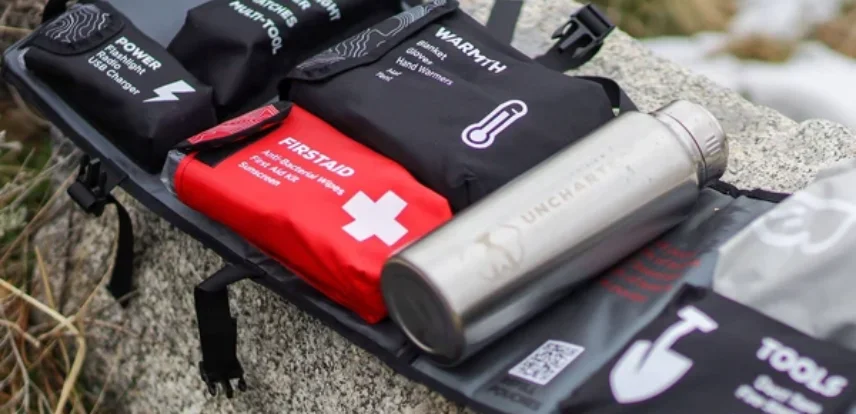
Uncharted Supply Co. 72 Hour Survival Kit Review
Three days of emergency gear sounds simple until every item has to justify its weight and purpose. Here is what matters and how the SEVENTY2 approaches it.
-

Epoch 24V Elite LiFePO4 Battery Review: Is It Right for Your RV or Boat?
Upgrading your off-grid power setup requires far more than basic energy storage. Cheap drop-in power banks frequently shut down under heavy loads or fail in cold weather. A high-quality LiFePO4 battery gives your rig the smart hardware protection it needs.