Smart Tips to Select the Best Home Theatre Seating for a Premium Feel

When you think about a home theatre, you probably imagine a big screen, but the real experience starts the moment you sit down. That’s why choosing the right home theatre seating is so important, as it sets the tone for a true cinema-like feel at home.
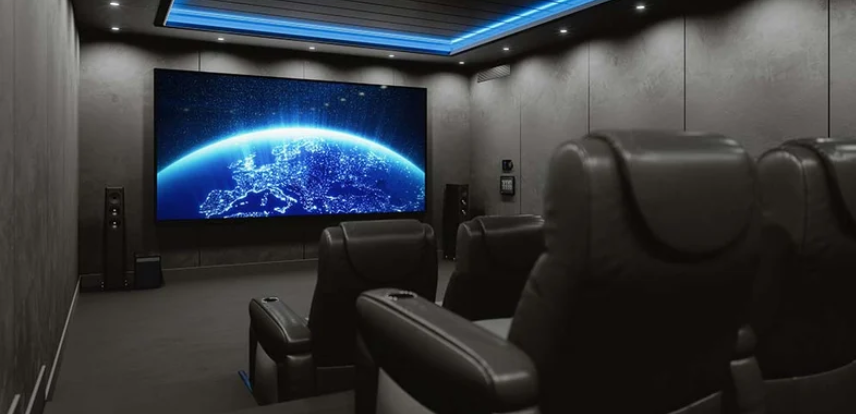
A great home theatre is not just about a big screen and powerful speakers. Many people invest heavily in display and sound systems, seating often becomes the most overlooked part of the setup. Poor or mismatched seating can reduce comfort and take away from the overall viewing experience, even when visuals and audio perform at their best.
If you want a premium feel, your seating should do more than just provide a place to sit. It should enhance immersion and elevate the overall look of your setup. This guide breaks down useful tips to select the best home theatre seating without confusion or guesswork.
Quick Tips to Select the Best Home Theatre Seating
Before looking into essential tips to select the best home theater seating, here are the most important things to keep in mind:
- Measure your room before selecting any seating.
- Keep a proper distance between the screen and the seats
- Choose seating based on the number of regular viewers
- Prioritize comfort over design
- Match the material with your climate conditions
- Leave space for movement and legroom
These simple points help you avoid the most common buying mistakes.
How to Choose the Best Seats for Your Home Theater
Picking the right home theater seats is about balancing comfort, space and viewing experience. A well-planned setup ensures that your seating enhances the cinematic feel of the room.
Understand Your Room First
The size, shape, and layout of your space should determine the type of seating. A small room demands compact seating, while larger spaces support multi-row arrangements. Consider the viewing distance from the screen and the walking space between seats to ensure both comfort and accessibility
Advantages
- Helps avoid overcrowding
- Ensures proper viewing angles
- Makes layout planning easier
Drawbacks
- Requires measurement and planning effort
- May limit seating options in small spaces
Best for: Anyone setting up a new or upgraded home theatre
Select the Right Seating Type
Choosing the best seats for your home means balancing personal preference with practical needs. These recommendations for choosing the best home theater seating help you match comfort with room layout, usage, and viewing experience.
Recliners
Recliners are a popular choice for modern home theatre seating as they allow flexible positioning and extended comfort during long movie sessions.
Advantages
- Provides Maximum comfort for extended viewing
- Adjustable positions for better posture and relaxation
- Creates a premium and immersive feel
Drawbacks
- Requires more space compared to standard seating.
- Higher cost than basic seating options.
Best for: Dedicated home theatre rooms
Loveseats
Loveseats are compact and designed for two people. They are ideal when space is limited, but comfort is still important.
Advantages
- Saves space compared to multiple individual seats.
- Ideal for couples or shared seating arrangements.
- Helps create a balanced multi-seat configuration when paired with recliners.
Drawbacks
- Limited seating capacity, not suitable for a larger group.
- Can feel restrictive during long viewing sessions.
Best for: Small rooms or compact setups
Sectionals
Sectionals are a versatile seating option often used in multi-purpose living spaces that are not dedicated solely to a home theatre. This seating style allows more people to sit together comfortably and can be rearranged. However, it does not always deliver the same structured cinema feel as dedicated theatre seating.
Advantages
- Provides adaptable seating that can support different room uses
- Comfortable option for group viewing and casual gatherings
- Works well in living rooms that serve multiple functions
- Easy to integrate with existing furniture layouts
Drawbacks
- Does not always provide ideal screen-facing alignment for every seat
- Delivers a less immersive cinema-style experience compared to dedicated seating
Best for: Casual home theatre setups
Theatre-Style Rows
Theatre-style rows replicate a real cinema experience at home with aligned seating arrangements. These setups are ideal for dedicated home theatre rooms where viewing angles and immersion are priorities. They often include multiple seats, sometimes with added features.
Advantages
- Delivers a cinema-like viewing experience with structured seating alignment
- Enhances screen visibility by maintaining consistent viewing angles for all rows
- Suitable for group viewing in dedicated entertainment spaces
- Can be upgraded with features like recline, cup holders, or tiered flooring
Drawbacks
- Requires larger space
- Limited flexibility once installed
Best for: Large, dedicated home theatres
Focus on Comfort and Ergonomics
Comfort should always come before design when choosing seating. Ergonomic seating supports proper posture by keeping your lower back supported, aligning your head with screen height, and reducing strain on your neck and shoulders. This ensures a comfortable viewing experience, even during long movies or extended sessions.
Advantages
- Reduces fatigue during long sessions
- Improves posture and support
- Enhances immersion
Drawbacks
- High-quality ergonomic seating can be costly
Best for: Long viewing sessions and frequent use
Choose the Right Material
Material selection plays a major role in both comfort and maintenance. The right material should suit your climate, usage, and cleaning preferences, as it directly impacts durability, appearance, and everyday comfort. Choosing wisely ensures your seating stays relaxing and visually appealing for years.
Leather
Leather seating is widely chosen for premium home theatres because of its elegant look and lasting durability. It is relatively easy to clean, making it a useful option for high-end setups. However, it can sometimes feel warm in hotter climates and may require proper maintenance to keep its finish looking new over time.
Best for: Luxury setups and easy maintenance
Fabric
Fabric seating offers a more breathable alternative to leather, making it comfortable for longer viewing sessions. It is available in a wide range of colors and textures, allowing more flexibility in interior design. Yet, it can be slightly harder to maintain as it absorbs dust and stains more easily compared to leather.
Best for: Budget-friendly and warm environments
Plan Seating Layout and Viewing Angles
Seating placement is just as important as the seats themselves in a home theatre setup. For an optimal viewing experience, all seats should face the screen while maintaining proper viewing distance and clear sightlines between rows. In multi-row layouts, adding elevation for back rows helps improve visibility. A well-planned seating layout ensures every viewer enjoys a clear, comfortable, and immersive experience.
Advantages
- Clear visibility for all viewers
- Reduces strain and discomfort
- Improves immersion
Drawbacks
- May require additional setup, like risers
Best for: Multi-row and shared viewing setups
Decide the Number of Seats
Choosing the right number of seats is about balance. Too many seats can make the room feel cramped, while too few may limit usability. Consider how often you host guests and how many people will regularly use the space.
Advantages
- Maintains comfort and space.
- Prevents overcrowding.
- Improves usability.
Drawbacks
- May limit large group seating.
Best for: Functional and balanced setups.
Common Mistakes to Avoid While Buying Home Theatre Seating
A small mistake can reduce both comfort and the overall cinematic experience even you follow the best approaches to select the best home theater seating. Avoiding these common mistakes helps create a balanced setup that supports long-term usability and better space planning.
- Ignoring room size and choosing oversized seating options.
- Prioritizing design over comfort during long viewing sessions.
- Overcrowding space with too many seats unnecessarily.
- Not considering proper viewing angles and screen alignment.
- Selecting unsuitable materials for your local climate conditions.
Useful tips to select the best home theatre seating and valuable decision-making ensure your home theatre remains visually balanced for years.
Features for Enhancing the Premium Feel of Home Theater
Since not every feature adds real value to your home theatre seating, you must focus on those that genuinely improve comfort and convenience in a well-planned home theater seating setup. The goal is to enhance usability while maintaining a premium look.
|
Feature |
How It Enhances Experience |
Worth It? |
|---|---|---|
|
Power Reclining |
Smooth adjustments for comfort |
Yes |
|
Built-in Cup Holders |
Convenience during movies |
Yes |
|
USB Charging Ports |
Keeps devices powered |
Yes |
|
LED Lighting |
Improves ambiance in dark rooms |
Optional |
|
Storage Consoles |
Keeps accessories organized |
Yes |
|
Heated Seats |
Adds luxury feel |
Optional |
FAQs
How Far Should One Sit From My Home Theater Screen?
The ideal viewing distance depends on your screen size, but a general rule is to sit at a distance that is about 1.5 to 2.5 times the screen’s diagonal size.
What Materials Should Be Choose for Home Theater Seats?
Choose leather if you want a premium look or go for fabric if you prefer breathability and affordability.
Is a 4-seater Home Theatre a Good Option?
A 4-seater setup provides a balanced combination of comfort and space without overcrowding the room.
Selecting the best home theatre seating is about making decisions that enhance comfort and overall experience. When you plan carefully and focus on key factors, your seating becomes an essential part of your home theatre rather than just an accessory. So, take the next step today and turn your home theatre into an immersive cinema experience.
Stay tuned to VestureDebate for more best home theater seating selection tips.
Recent Blogs
-

How to Wear a Kimono: Simple Styling Tips to Try
Who says kimonos are only for traditional occasions? Your Univers du Japon kimono can be styled in plenty of modern ways. With a few simple styling tricks, your kimono can become a versatile wardrobe favorite.
-
Best Dinnerware Sets by Orsina to Elevate Your Everyday Dining
Your dining table deserves more than ordinary plates and bowls. The best dinnerware sets combine lasting quality with timeless style for every occasion. Explore our top Orsina picks to find the perfect match for your home.
-

Best Bulova Watches for Men with Timeless Style
Choosing the right watch is about more than telling time; it's about finding a piece that matches your style, lifestyle, and personality. With so many best Bulova watches for men available, it can be difficult to know which one is the best fit
-

The Best EngineDIY’s RC Helicopters for Beginners in 2026
Getting started with RC helicopters can be exciting, but choosing top-rated RC helicopters makes all the difference. The best RC helicopters for beginners are designed to be easy to control, durable, and packed with features that help new pilots build confidence.
-

Hiking Shoes vs Boots: Which Is the Better Choice for Your Next Hike?
The debate over hiking shoes vs boots is not about which is better. It is about matching your gear to the trail, the terrain, and the distance. Learn the key differences to find the perfect fit for every adventure on each trip.