Ceramic vs Porcelain Dinnerware: Which Is Right for You?

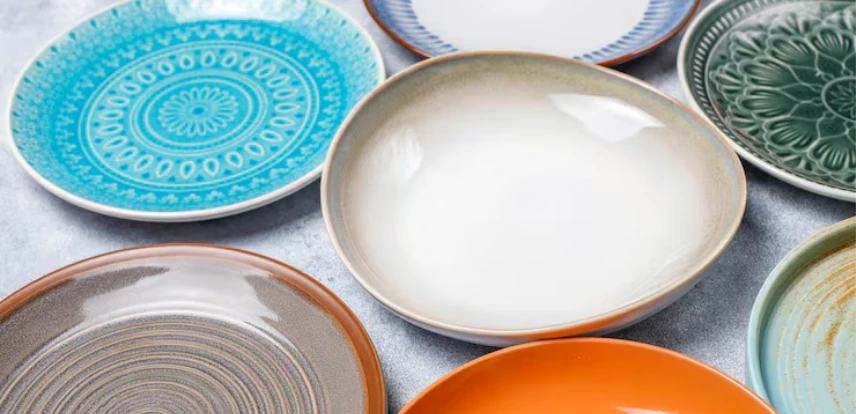
Choosing dinnerware involves more than finding a pattern that suits your kitchen. Evaluating ceramic vs porcelain dinnerware reveals how they differ in durability, weight, appearance, and price, helping you select a set that fits your budget, style, and daily routine.
All featured products are selected by our editors and may include affiliate links. If you purchase through these links, VestureDebate may earn a commission at no additional cost to you.
Imagine standing in a dishes aisle holding two white plates that look almost identical. One is budget-friendly, while the other costs noticeably more. They do the exact same job, but differences in material, weight, durability, and daily care can make the choice confusing.
If this sounds familiar, welcome to the classic dilemma: ceramic vs porcelain dinnerware.
Are porcelain and ceramic dishes the same thing? Technically, porcelain is a specific type of ceramic, but in everyday shopping, the two terms refer to very different materials and manufacturing processes. This comprehensive guide compares ceramic and porcelain dining sets to explain their key differences and help you pick the right option for your home.
Quick Answer
Choose ceramic dishes if you want maximum chip resistance, low water absorption, slim stackable pieces that save cabinet space, and elegant tableware that transitions easily from everyday meals to formal dinners.
Choose porcelain dishes if you want a warm rustic look, a wider variety of colors and textured reactive glazes, budget-friendly choices, or dishes with a solid, heavier hand feel.
Don't rely solely on the material label. Always check specific product details, as durability, weight, price, and appliance safety vary by glaze quality, firing method, and manufacturer.
What Is Ceramic Dinnerware?
In everyday home shopping, ceramic usually refers to earthenware and stoneware, even though porcelain belongs to the broader ceramic family. Ceramic dishes are crafted from natural coarse clays mixed with mineral ingredients, shaped, and then fired in a kiln.
The firing temperature and clay quality for both ceramic dinnerware vs porcelain dishes determine the final result:
- Ceramic: Fired at lower temperatures (around 1,800°F to 2,000°F). It produces a softer, more porous body that requires a protective glaze.
- Porcelain: Fired at higher temperatures (around 2,100°F to 2,300°F). It creates a much denser, harder dish with better everyday durability.
Key Features of Ceramic Dinnerware
-
Substantial Build: Thicker walls give plates and bowls a heavy, sturdy feel in your hands.
-
Rustic & Artisanal Aesthetics: Offers rich organic textures, earthy tones, bold colors, and unique handcrafted-looking glazes.
-
Heat Retention: Thicker dish walls trap heat effectively, keeping hot soups and meals warm longer at the dining table.
-
Flexible Budgets: Basic earthenware sets are very accessible and affordable, though handcrafted or designer stoneware can reach luxury price points.
What Is Porcelain Dinnerware?
Porcelain is a highly refined type of ceramic made from fine white clay (kaolin) and feldspar. It is fired in a kiln at extreme heat (often exceeding 2,300°F).
This intense firing process vitrifies the clay melting the particles into a dense, smooth, glass-like core that is non-porous and exceptionally tough.
Key Features of Porcelain Dinnerware
-
Refined & Translucent Quality: Features a smooth, bright white finish with thin edges that allow light to subtly pass through high-end pieces.
-
Low Water Absorption & Stain Resistance: The dense, vitrified body absorbs virtually no water (absorption rate under 0.5%), keeping it free from permanent food stains, odorous liquids, or moisture damage.
-
Slim & Lightweight Profile: Despite its strength, porcelain is surprisingly thin and lightweight, making it easy to carry and stack neatly in tight kitchen cabinets.
-
Universal Table Versatility: Works seamlessly for casual family breakfasts as well as formal holiday dinner parties.
Ceramic vs Porcelain Dinnerware: Key Differences
Understanding how both differ in material, durability, care, and price helps you choose the perfect set for your kitchen. Below is a detailed breakdown comparing porcelain and ceramic dishware across key performance areas.
1. Material & Firing Process
Ceramic: Made from clay-based materials fired at different kiln temperatures. Earthenware is generally fired at lower temperatures and tends to be more porous, while stoneware is fired at higher temperatures and is usually denser.
Porcelain: Made from refined clay, often including kaolin, and fired at high temperatures. This process creates a dense body with very low water absorption.
Which is better? Porcelain generally offers lower water absorption than earthenware. High-quality stoneware can also provide good durability.
2. Durability & Chip Resistance
Ceramic: Earthenware can be more prone to chipping or cracking, while quality stoneware can handle everyday use well. Durability depends on the material, glaze, and construction.
Porcelain: Its dense structure can provide good durability, but thin edges may still chip if plates strike hard surfaces or are dropped.
Which is better? Quality porcelain and stoneware can both be durable. Compare individual products rather than assuming all porcelain is stronger.
3. Porosity & Stain Resistance
Ceramic: Earthenware is generally more porous beneath its glaze. If the glaze chips or becomes damaged, the exposed body may absorb moisture and stains more readily.
Porcelain: Typically has very low water absorption, which helps reduce staining. However, stains can still develop depending on the glaze, surface condition, and food residue.
Which is better? Porcelain generally offers low water absorption and good stain resistance.
4. Look, Feel & Aesthetics
Ceramic: Often features a cozy, rustic, or artisanal look, with textured surfaces, colorful glazes, and varied designs. Some pieces have thicker rims and slight surface irregularities.
Porcelain: Often offers a clean, polished appearance with smooth surfaces, crisp lines, and a bright white finish. Many designs have slim profiles.
Which is better? Choose ceramic for a colorful or farmhouse aesthetic. Choose porcelain for a sleek, modern, or formal presentation.
5. Weight & Cabinet Storage
Ceramic: Some ceramic dishes, particularly thick stoneware, feel heavier and take up more vertical space in cabinets.
Porcelain: Many porcelain dishes have thinner profiles that stack compactly and can help save cabinet space. However, weight varies by product.
Which is better? Compare the weight, dimensions, and stacking design of individual sets, especially when cabinet space is limited.
6. Heat Resistance & Appliance Safety
Ceramic: Some ceramic dishes are microwave-safe and dishwasher-safe. However, suitability depends on the material, glaze, construction, and manufacturer instructions. Sudden temperature changes can cause some dishes to crack.
Porcelain: Many porcelain dishes are suitable for everyday use, but not every piece is microwave-safe, dishwasher-safe, or oven-safe. Sudden temperature changes can also cause porcelain to crack.
Which is better? Neither material is automatically safer for every appliance. Always check the manufacturer's care instructions. Dishes with metallic trim should not be microwaved unless the manufacturer explicitly confirms they are microwave-safe.
7. Price & Overall Value
Ceramic: Basic earthenware sets are often budget-friendly. However, premium stoneware and handcrafted ceramic dishes can cost more.
Porcelain: Some porcelain sets cost more because of their materials, manufacturing process, design, or brand. Affordable options are also available.
Which is better? Ceramic may suit a tighter budget, while porcelain may be worth considering for its appearance and low water absorption. Compare price, quality, care requirements, and expected use before deciding.
How to Tell the Difference Between Ceramic and Porcelain
If you're inspecting dishes at a store or looking to sort between porcelain vs ceramic dinnerware at home, use these four practical tests:
- The Light Test: Hold the rim up to a bright light. Fine porcelain displays a soft translucent glow along the thin edges, whereas standard ceramic blocks light completely.
- The Sound Test: Tap the edge gently with a fingernail. Porcelain produces a clear, high-pitched chime, while ceramic makes a duller thud.
- The Foot Ring Check: Flip the plate over to inspect the unglazed ring on the bottom. Porcelain feels smooth and white, while ceramic feels slightly grainier or darker.
- The Rim Profile: Look closely at the side profile. Porcelain features a slim, crisp edge, while ceramic exhibits a thicker, rounded border.
When to Choose or Avoid Ceramic and Porcelain Dinnerware
Ultimately, the decision of choosing ceramic or porcelain dishes comes down to you. Specifically, the type of dishes you want depends upon:
-
The occasion (whether that’s everyday meals or special events)
-
Durability (whether you want something that’s easy to grip or feels substantial)
-
Appearance (whether you want a plain-looking dish or a fancier dinner set)
Choose Ceramic Dinnerware If:
-
You want a budget-friendly complete dinner set.
-
You love a cozy, organic, or handcrafted aesthetic with unique glazes and rich colors.
-
You prefer substantial, heavy plates that feel solid in your hands and retain heat for hearty meals.
Avoid Ceramic Dinnerware If:
-
You have hard granite countertops and drop dishes frequently.
-
You have limited cabinet space and need ultra-thin, stackable plates.
Choose Porcelain Dinnerware If:
-
You need durable, chip-resistant dishes for long-term everyday use.
-
You want lightweight, slim plates that stack easily in compact spaces.
-
You host formal dinners and prefer a clean, elegant table presentation.
-
You need non-porous dishes that won't absorb food stains or odors.
Avoid Porcelain Dinnerware If:
-
You are shopping on a very strict entry-level budget.
-
You prefer heavy, rustic, or textured handmade pottery.
FAQs
Is Porcelain Stronger Than Ceramic?
Yes. Porcelain is fired at higher temperatures using refined kaolin clay, making it denser, non-porous, and generally more chip-resistant than standard earthenware or basic ceramic.
Can Ceramic And Porcelain Dishes Be Used In The Microwave?
Most plain ceramic and porcelain dishes are microwave-safe. However, always check manufacturer guidelines, and avoid microwaving dishes with metallic accents or unglazed earthenware bodies.
Which Dinnerware Lasts The Longest?
Quality porcelain generally lasts the longest because its non-porous, vitrified body withstands frequent dishwashing, high heat, and daily impacts without absorbing moisture or cracking.
Which Material Stains Less, Ceramic Or Porcelain?
Porcelain stains less because its vitrified surface prevents liquids, dark sauces, and food pigments from penetrating the material.
Choosing between ceramic vs porcelain dinnerware comes down to balancing your personal style, kitchen storage, daily routine, and budget. While porcelain dining sets offer a refined look along with reliable sturdiness, ceramic tends to be more common, with ceramic cookware sets by CookingTotem being a popular option for making cooking simple, easier, and fun. For more health-conscious homeowners and cooks, casol stainless steel cookware offers a reliable sense of safety, purity, and long-term peace of mind in the kitchen.
With options available for both ceramic and the best dinnerware sets by Orsina, getting the right dining set for your home and kitchen needs becomes less of a struggle about material and durability, and more about the aesthetic look and feel you want to share around your table.
Whether you prefer the warm, textured charm of or the durable elegance, both porcelain and ceramic dishware offer great performance when you choose quality pieces that fit your lifestyle.
For more in-depth home decor and kitchenware buying guides, visit VestureDebate.
Recent Blogs
-

Best Hanky Panky Thongs for Women That Redefine Everyday Comfort
If you've ever given up on thongs because they pinch, dig in, or feel uncomfortable after a few hours, these five Hanky Panky styles might change your mind.
-
Ceramic vs Porcelain Dinnerware: Which Is Right for You?
Choosing dinnerware involves more than finding a pattern that suits your kitchen. Evaluating ceramic vs porcelain dinnerware reveals how they differ in durability, weight, appearance, and price, helping you select a set that fits your budget, style, and daily routine.
-

Best Scooter for Seniors by SpinLife: Ideal for Safety & Freedom
Staying active and independent requires a comfortable ride tailored to your daily needs. We explore key specs, comfort, and frame designs across the best scooter for seniors by SpinLife to help you decide the best option for your aging loved one.
-

Sole F63 Treadmill Review: Is It Worth Buying for Your Home Gym?
Setting up a home gym becomes easier with the right treadmill. The Sole F63 Treadmill offers a practical option for people who want to walk, jog, or run without visiting the gym. But is it worth the investment? Let’s explore its key features, benefits, and performance to see if it suits your fitness goals.
-

Parachute Home Guide to Bedding, Bath, and Decor
Explore Parachute Home's bedding, sheets, duvet covers, pillows, towels, robes, and home decor. Compare fabric types, understand key features, and find practical tips for choosing comfortable essentials that suit your home and budget.