How to Choose Hardwood Flooring for Your Home

The right hardwood flooring can transform your home's look and feel. From warm wood tones to modern finishes, the right floors can complement your style and daily needs. With so many options, how do you find the best fit? Let’s explore what to consider before making your choice.
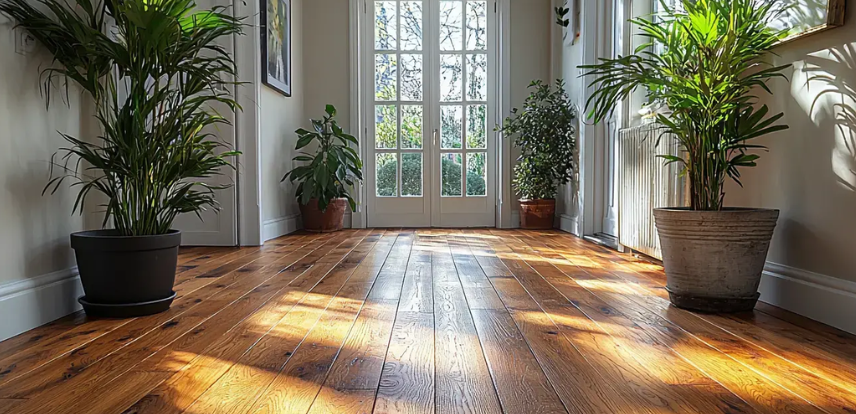
Hardwood flooring can make your home feel warm, stylish, and welcoming. It adds a natural charm that works well with many interior styles. Whether you prefer a modern look or a classic design, the right wood floors can bring your space together. They can also add lasting beauty to your home.
But choosing hardwood flooring involves more than picking a color you like. You need to consider your lifestyle, budget, and daily needs. Some wood types are more durable than others. Certain finishes also require more care. By looking at factors like wood type, durability, maintenance, and style, you can find hardwood flooring that suits your home and everyday life.
Understand the Different Types of Hardwood Flooring
Hardwood flooring comes in different types, each with its own features and benefits. Solid hardwood is made from a single piece of wood and can be refinished several times. Engineered hardwood has multiple layers, making it more stable in areas with changing humidity. Understanding these options can help you choose flooring that suits your home, budget, and needs.
Solid Hardwood Flooring
Solid hardwood flooring is made from a single piece of natural wood. It gives your home a classic and timeless look. You can choose from different wood species, colors, and finishes to match your interior. It is also durable and can be sanded and refinished several times. However, solid hardwood can react to moisture and humidity. It is best suited for areas where moisture levels are well controlled.
Engineered Hardwood Flooring
Engineered hardwood flooring has a real wood surface supported by multiple layers underneath. This layered construction helps it handle changes in temperature and humidity better than solid hardwood. It offers the same natural wood appearance and comes in various styles and finishes. It can be a practical choice for busy homes. However, the number of times it can be refinished depends on the thickness of its top wood layer.
Reclaimed Hardwood Flooring
Reclaimed hardwood flooring is made from wood salvaged from old buildings, barns, and other structures. It often features unique grain patterns, natural imperfections, and rich textures. These details give your home a rustic and distinctive look. It can also help reduce the demand for newly harvested wood. However, reclaimed wood may require extra preparation and careful installation. Check its condition and source before choosing it for your home.
Choose the Right Wood Species
Here is how you can choose the right wood species.
|
Wood Species |
Appearance |
Durability |
Best For |
|---|---|---|---|
|
Oak |
Natural grain with light to medium brown tones |
High |
Busy households and living rooms |
|
Maple |
Light color with a subtle grain pattern |
High |
Modern and minimalist interiors |
|
Walnut |
Rich brown shades with elegant grain |
Moderate |
Bedrooms and sophisticated spaces |
|
Hickory |
Bold grain with varied colors |
Very high |
High-traffic areas and family homes |
|
Cherry |
Warm reddish tones that deepen over time |
Moderate |
Traditional and classic interiors |
|
Ash |
Pale tones with prominent grain patterns |
High |
Bright, airy, and contemporary spaces |
How To Choose The Right Hardwood Flooring
Choosing the right hardwood flooring can improve your home’s appearance while providing a durable and practical surface for everyday use. Consider factors such as color, finish, plank size, room function, and subfloor type to find flooring that complements your interior style and suits your home’s needs.
Select a Hardwood Flooring Color And Finish
The color of your hardwood flooring can change the entire feel of a room. Light shades like natural oak and maple can make small spaces feel brighter and more open. Darker tones, such as walnut, add warmth and create a rich, elegant look. If you prefer a balanced style, medium brown shades work well with many furniture colors. Think about your wall paint, furniture, and natural lighting before making a choice. Your flooring should complement the rest of your home.
The finish is just as important as the color. A matte finish gives your floors a natural, understated look and can help hide minor scratches. A satin finish offers a soft sheen without looking too glossy. If you prefer a polished appearance, a semi-gloss finish may be a good option. Also, consider your daily routine when choosing a finish. Busy households may benefit from options that are easier to maintain and less likely to show everyday wear.
Check The Hardwood Flooring Plank Size
The size of your hardwood flooring planks can make a big difference in how your room looks. Wide planks create a spacious, open feel and work well in larger rooms. Narrow planks offer a more traditional look and can add detail to smaller spaces. You should also consider the length of each plank. Longer planks can create a smooth, continuous appearance across the floor.
Think about your room size and interior style before making a choice. Wide planks can highlight the natural grain of the wood. Narrow planks can make the floor look more detailed and classic. Also, check the available plank sizes before buying. The right size can help your flooring look balanced and complement your furniture and overall design.
Choose Hardwood Flooring For Your Room And Subfloor
The best hardwood flooring for your home depends on where you plan to install it and the condition of your existing subfloor. Living rooms, bedrooms, and dining areas can benefit from hardwood flooring because it adds warmth and a timeless appearance. However, kitchens and other areas exposed to moisture require more careful consideration, as excessive moisture can damage wood flooring.
Living Rooms, Bedrooms, and High-Traffic Areas
Living rooms and bedrooms are great places for hardwood flooring. You can choose from different wood species, colors, and finishes to match your interior. Oak and maple are popular options because they offer good durability. For busy areas like hallways and entryways, consider harder wood species that can handle daily foot traffic. A durable finish can also help protect your floors from scratches and everyday wear.
Kitchens, Bathrooms, and Basements
Kitchens, bathrooms, and basements need extra consideration because they can experience higher moisture levels. Hardwood can work in kitchens if spills are cleaned quickly and moisture is managed carefully. However, traditional hardwood is generally not recommended for bathrooms or damp basements. Excess moisture can cause the wood to swell, warp, or develop damage.
Concrete Vs. Plywood Subfloors
Your subfloor plays an important role in the stability of your hardwood flooring. Plywood subfloors are commonly used with solid hardwood because they provide a suitable base for nailing or stapling the planks. Engineered hardwood can often be installed over plywood using different methods, depending on the product. Concrete subfloors usually work better with approved engineered hardwood systems.
Moisture, Humidity, and Radiant Heating
Wood naturally expands and contracts as moisture and humidity levels change. That's why it's important to consider your home's climate before choosing hardwood flooring. Excess moisture can cause planks to swell, while very dry conditions may lead to gaps or cracks. Engineered hardwood floor choices often humidity changes better than solid hardwood, but proper installation is still essential. If your home has radiant floor heating, check that the flooring is approved for that system.
Set Your Hardwood Flooring Budget
Here is how you can set your budget to pick a hardwood flooring.
- Compare Flooring Types: Solid hardwood is often more expensive than engineered hardwood. Reclaimed wood prices vary based on its source, condition, and availability.
- Consider Wood Species: Oak and maple offer durable options at different price points. Premium species, such as walnut, may cost more.
- Include Installation Costs: Factor in labor, subfloor preparation, and any extra materials needed for installation.
- Plan for Maintenance: Set aside money for cleaning products, repairs, and refinishing over time.
- Look Beyond the Initial Price: Affordable flooring may not always offer the best long-term value. Consider durability, expected lifespan, and maintenance needs before making your choice.
- Keep a Small Extra Budget: Unexpected expenses can arise during installation. Having some extra money available can help you manage these costs without stretching your budget.
Choose the Right Brand
When select hardwood flooring, it's important to find a brand that combines style, durability, and quality. Stuga Studio offers thoughtfully designed wood flooring inspired by Scandinavian interiors. Its collection includes natural wood tones, modern finishes, and different flooring styles to suit various home designs. The brand also offers stair solutions to help create a cohesive look throughout your home.
Stuga Studio offers several flooring collections, including Icons, Rebels, and Patterns. You can explore traditional engineered hardwood designs, durable alternatives for busy households, and distinctive patterns like herringbone. The brand also lets you order samples to picking hardwood floors, so you can see how different colors and textures look in your space before making a decision. Whether you’re comparing rug vs flooring, consider your room’s style, comfort, maintenance needs, and budget to choose the best option for your home.
Quick Comparison of Different Hardwood Flooring Types
Here is the quick comparison between durability and maintenance requirements.
|
Hardwood Flooring Type |
Durability |
Maintenance Requirements |
|---|---|---|
|
Solid Hardwood |
Highly durable and can last for decades with proper care. |
Requires regular sweeping, occasional damp mopping, and refinishing when needed. |
|
Engineered Hardwood |
Offers good durability, with better stability in changing humidity. |
Needs regular cleaning and careful moisture control. Refinishing depends on the thickness of the top wood layer. |
|
Reclaimed Hardwood |
Durability depends on the wood species, age, and condition. |
May need extra care, occasional refinishing, and checks for existing damage. |
|
Oak Flooring |
Hard-wearing and suitable for high-traffic areas. |
Easy to maintain with regular sweeping and prompt spill cleanup. |
|
Maple Flooring |
Hard and resistant to everyday wear, though scratches can still occur. |
Requires routine cleaning and protection from excess moisture. |
|
Walnut Flooring |
Durable for everyday use but softer than oak and hickory. |
Needs gentle cleaning and care to prevent dents and scratches. |
|
Hickory Flooring |
Very hard and well suited to busy households. |
Requires regular cleaning and quick spill removal to maintain its appearance. |
FAQs
What Hardwood Flooring Color Is Best For Small Rooms?
Light wood tones can make small rooms feel brighter and more spacious.
Which Hardwood Flooring Is Most Durable?
Durability depends on the wood species, finish, and level of everyday wear.
Is Engineered Hardwood Better Than Solid Hardwood?
Engineered hardwood offers better dimensional stability, while solid hardwood can be refinished multiple times.
Choosing the right hardwood flooring for your home involves balancing style, durability, maintenance, and budget. Consider your room size, lifestyle, preferred wood type, and color before making a decision. The right flooring can complement your interior and serve your household for years.
Stuga Studio offers hardwood flooring options to explore for different home styles and preferences. Take time to compare the available designs, finishes, and wood tones. This will help you find hardwood flooring that fits your home and creates a look you’ll love.
Stay tuned to VestureDebate for more information on Stuga.
Recent Blogs
-

Truvaga Review: Master Daily Stress Fast
Stressed and overwhelmed? Read our complete review of Truvaga vagus nerve stimulators. Learn how these drug-free devices help you relax, sleep better, and boost focus in two-minute daily sessions.
-
How to Choose Hardwood Flooring for Your Home
The right hardwood flooring can transform your home's look and feel. From warm wood tones to modern finishes, the right floors can complement your style and daily needs. With so many options, how do you find the best fit? Let’s explore what to consider before making your choice.
-

16 Essential Style Tips for Men To Instantly Look Sharper
Most guys mistakenly believe that dressing well requires a huge budget or an entirely new wardrobe. The truth is, great fashion is built on basic foundations. Master these essential style tips for men to instantly transform your everyday look.
-
Your Guide To Beauty Products To Avoid During Pregnancy
Pregnancy is a time when your skincare and beauty routine may need a little extra attention. Some common ingredients in beauty products may not be suitable during pregnancy, so knowing what to avoid can help you make safer and more informed choices.
-

The Loaded Tea Shop: Best Flavors and Bundles
Explore The Loaded Tea Shop's fruity, tropical, and sweet tea mixes, including popular flavors, individual packets, and bundles. Compare flavor profiles and learn how to choose the right loaded tea for your preferences.